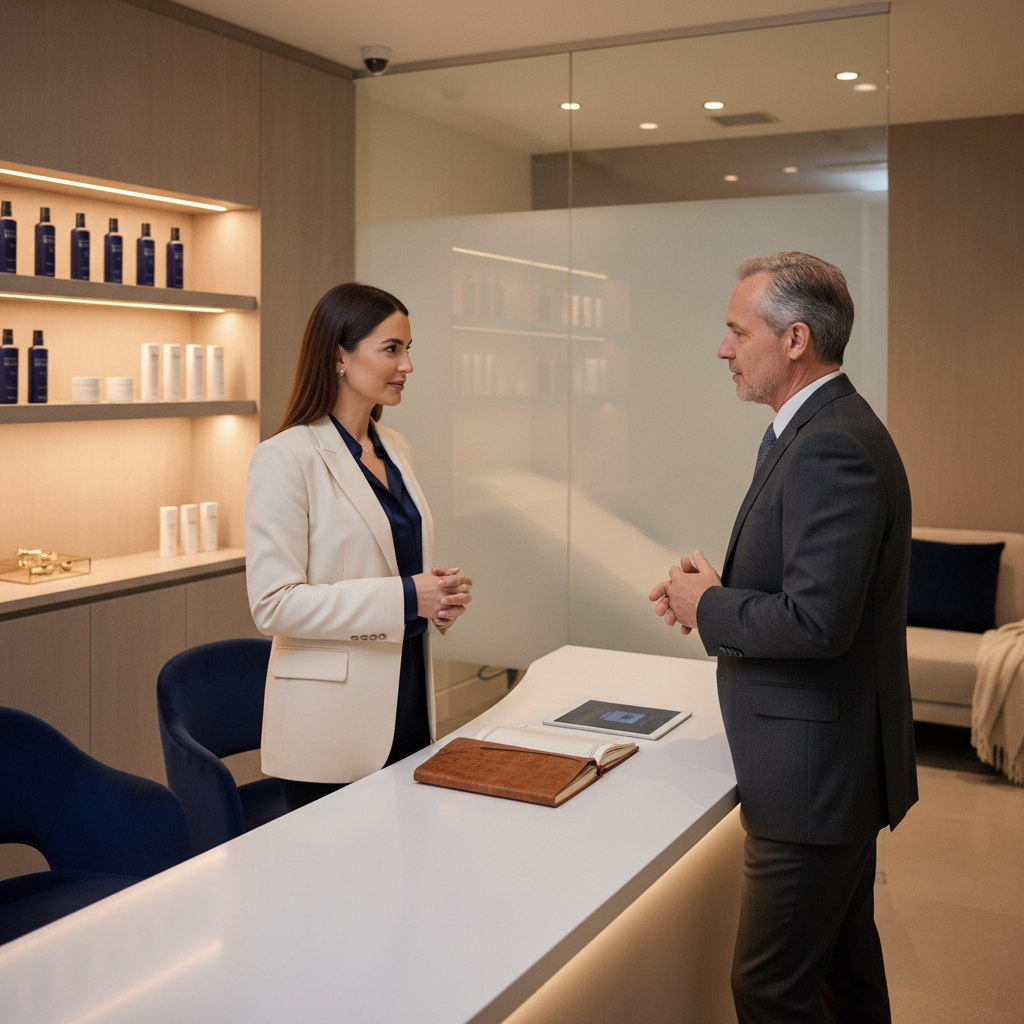
How Estheticians Can Break Into Aesthetic Sales
Estheticians already bring valuable client communication and treatment knowledge to aesthetic sales. This guide explains how to turn that experience into a credible, ethical career path in medspas and aesthetics.

Many estheticians reach a point where they want more career growth, broader business impact, or a role that uses both their clinical awareness and communication strengths. That is where esthetician aesthetic sales becomes a compelling next step. In aesthetic practices, sales is not about pressure. It is about education, trust, treatment alignment, and helping patients make informed decisions within an ethical framework.
For estheticians, the transition can be highly natural when it is approached strategically. You already understand client concerns, treatment goals, and the importance of a polished patient experience. What you need is a clear understanding of how those strengths translate into revenue conversations, consultation systems, follow-up, and practice growth.
If you are exploring a move into the business side of aesthetics, this guide will help you understand where you fit, what skills matter most, and how to prepare for a professional transition.
Why This Career Shift Matters
The aesthetics industry has become more sophisticated. Medspas, plastic surgery practices, dermatology offices, and skincare brands are all looking for professionals who can combine patient empathy with strong commercial awareness. That creates opportunity for estheticians who want to step beyond the treatment room.
Aesthetic sales roles can include patient coordinator positions, treatment plan sales, practice development, skincare sales, laser or device support, and field-based brand representation. In each of these settings, the ability to communicate clearly and ethically is essential.
This shift matters for two reasons. First, practices need team members who understand the patient mindset, not just the product or service being sold. Second, estheticians often have firsthand insight into what makes people feel confident, hesitant, or ready to move forward. That insight is valuable in consultations, retention efforts, and long-term relationship building.
For professionals who want a more business-oriented path, learning aesthetic sales can open doors without abandoning the core strengths developed in aesthetics. You can explore more industry education through the Aesthetic Sales Institute homepage and keep up with trends on the latest articles on the blog.
What Estheticians Already Bring to Aesthetic Sales
One of the biggest advantages estheticians have is that they are not starting from zero. Many core skills are already in place.
Strong consultation awareness
Estheticians spend their careers asking questions, identifying concerns, managing expectations, and recommending appropriate services or products. That foundation is extremely relevant in aesthetic sales. A great sales professional does not simply present options. They guide the conversation, uncover motivation, and help the patient understand what makes sense for their goals.
Understanding of treatment journeys
Patients rarely make decisions in isolation. They think about downtime, budget, timing, maintenance, and outcomes over time. Estheticians understand how treatment plans often unfold across multiple visits. That perspective helps in creating recommendations that feel realistic and patient-centered.
Credibility and trust
Clients are often more open with estheticians than they are with salespeople from outside the industry. If you can pair your service background with professional sales training, you can become highly credible in an aesthetic setting. Trust is one of the most important assets in any consultation-driven environment.
Product and service fluency
Most estheticians already know how to speak about skincare categories, treatment benefits, pre-care, post-care, and common client concerns. While every role will require additional training, this base knowledge gives you a head start compared with someone entering the field from a general sales background.
Where the Skill Gaps Usually Are
The transition is natural, but it is not automatic. Most estheticians who want to move into sales need to strengthen a few specific business skills.
Sales process and structure
Aesthetic sales requires more than being personable. You need to understand how to move a conversation from discovery to recommendation to commitment, while staying ethical and patient-focused. That includes handling objections professionally, setting next steps, and maintaining follow-up without sounding pushy.
Metrics and accountability
In many sales-focused roles, success is measured. You may be expected to track consultation conversion, package acceptance, average transaction value, rebooking, retention, or lead response time. For estheticians used to service delivery, this can be a significant mindset shift.
Business language
You do not need to become a finance expert, but you do need to understand the commercial side of a practice. That includes how promotions affect profitability, how memberships support retention, and how patient communication influences revenue quality, not just volume.
Cross-functional communication
Aesthetic sales professionals often work between providers, front desk teams, coordinators, and leadership. That requires operational maturity. You may need to document next steps, maintain CRM notes, coordinate financing conversations, or support a larger practice growth strategy.
Practical Paths Into Aesthetic Sales
There is no single entry point. The right path depends on your experience, your strengths, and whether you want to stay inside a practice or move toward brand-facing roles.
Move into a patient-facing sales role within a medspa
This is often the most accessible step. An esthetician may transition into a consultation coordinator, patient care coordinator, or treatment plan sales role. In these positions, your understanding of services and patient concerns becomes a direct asset.
This path works well if you enjoy one-on-one conversations, follow-up, and helping patients navigate options over time.
Step into retail and treatment plan optimization
Some estheticians begin by improving retail performance, membership conversions, and service upgrades within their current practice. This is a valuable bridge into sales because it lets you build measurable results without a full role change on day one.
If you can show that your recommendations increase compliance, retention, and appropriate package acceptance, you are already demonstrating aesthetic sales capability.
Explore brand, skincare, or device roles
For estheticians who enjoy education, travel, and relationship-building, field sales or account support for aesthetic brands can be a strong long-term path. These roles usually require more formal sales skills, comfort with territory management, and the ability to represent a brand professionally in front of practices.
A strong starting point is to build credibility inside a clinic first, then expand from there. Reviewing career-focused aesthetics insights can help you better understand how these roles differ.
Practical Examples of the Transition
Example 1: From treatment room to consultation support
An esthetician in a busy medspa notices that many patients ask detailed questions after treatment, but no consistent follow-up process exists. She begins documenting common concerns, creating a simple follow-up flow, and helping patients understand package options. Over time, leadership sees improved conversion and asks her to support consultations more formally.
Example 2: From retail recommendations to revenue contribution
An esthetician with strong skincare knowledge consistently recommends home care based on treatment goals. Instead of presenting products casually, she learns to connect each recommendation to the patient plan, budget, and expected maintenance. Retail performance improves because the conversation becomes more strategic and educational.
Example 3: From service provider to practice growth contributor
An experienced esthetician wants less physical strain and more upward mobility. He or she begins learning consultation frameworks, financing conversations, and patient communication systems. By pairing industry knowledge with sales process skills, that professional becomes a stronger candidate for patient coordinator or sales specialist roles.
Common Mistakes Estheticians Make When Entering Sales
Assuming industry experience is enough
Knowing treatments is valuable, but sales roles require structure, consistency, and measurable performance. Clinical familiarity alone does not replace training.
Sounding educational, but not directive
Some estheticians explain services well but hesitate to guide the decision. Ethical sales still requires leadership in the conversation. Patients often want a clear recommendation and a next step.
Avoiding numbers
If metrics feel uncomfortable, it is easy to resist the business side of the role. That can limit advancement. Strong aesthetic sales professionals understand both patient experience and performance data.
Being too passive with follow-up
Many conversions happen after the initial consultation, not during it. If follow-up is inconsistent, opportunities are often lost. Professional persistence matters.
Undervaluing formal training
Aesthetic sales is a skill set. The best professionals study communication, treatment plan presentation, objection handling, and ethical conversion systems. Training builds confidence and consistency.
Action Steps to Start Your Transition
1. Identify your target role
Decide whether you want to work in medspa consultations, patient coordination, retail growth, brand sales, or device support. Clarity helps you build the right skills.
2. Audit your current strengths
List the parts of your esthetics experience that translate well: consultation flow, product recommendation, patient rapport, service knowledge, retention, or rebooking.
3. Learn the sales framework
Study how consultations are structured, how objections are handled, and how follow-up systems support conversion. Focus on ethical communication, not pressure tactics.
4. Start tracking outcomes
If you are currently in practice, begin measuring what you influence. That may include retail attachment, rebooking rate, package acceptance, or membership conversions. Measurable performance strengthens your resume.
5. Build business fluency
Understand how medspas grow, how teams communicate, and what leadership values in a sales professional. The more you can connect patient experience with practice performance, the stronger your position becomes.
Ready to Build a Career in Aesthetic Sales?
Breaking into esthetician aesthetic sales is not about leaving your background behind. It is about expanding it. Estheticians already understand trust, treatment goals, and the patient journey. With the right sales training, those strengths can translate into a highly valuable career path inside the aesthetics industry.
If you want to develop the communication, consultation, and conversion skills that modern aesthetic practices need, join the Aesthetic Sales Institute prelaunch community today. You will get early access to premium training and 20% off at launch.