How to Handle Nervous Aesthetic Patients
Nervous aesthetic patients need more than reassurance, they need a thoughtful communication process that builds trust. Here is how medspa teams can reduce anxiety ethically and professionally.
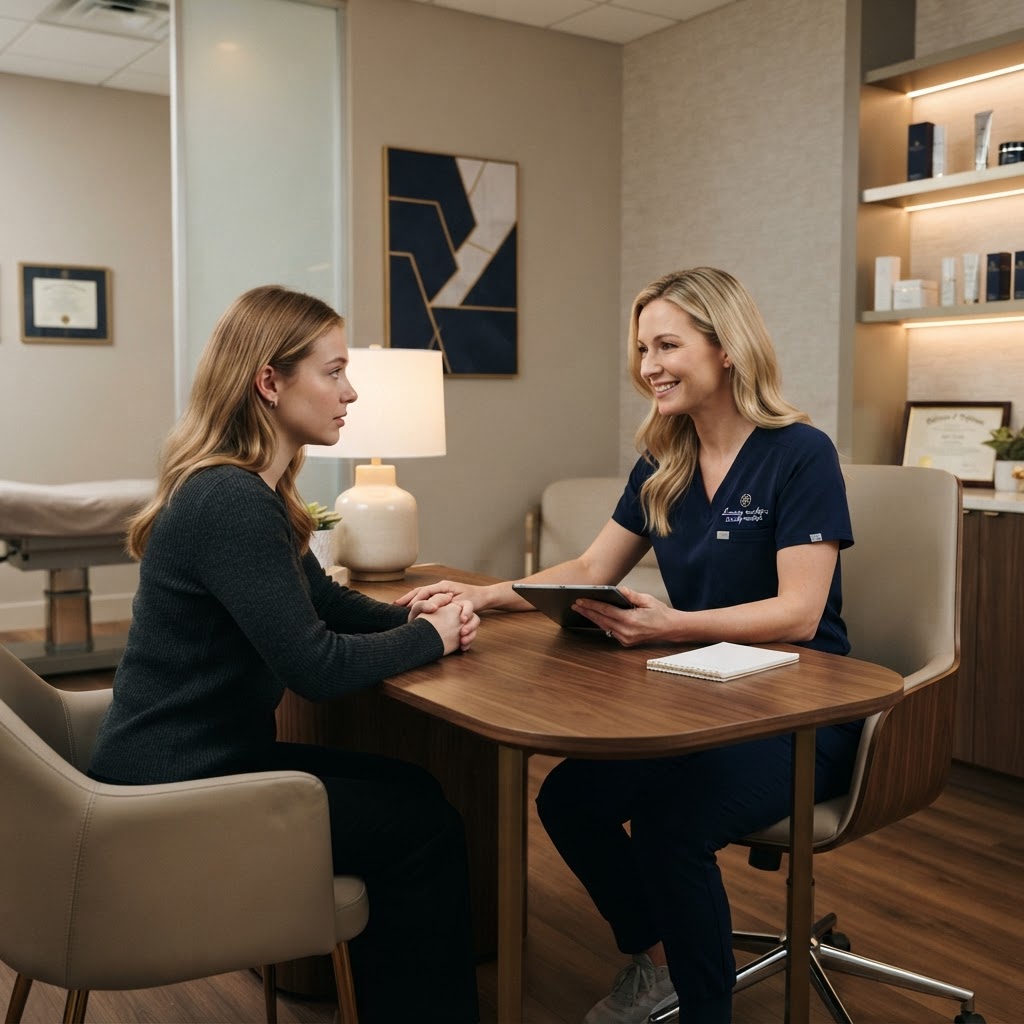
Many medspa professionals meet patients who are interested in treatment but visibly hesitant. They may speak quickly, ask repeated questions, avoid eye contact, or struggle to make a decision. Nervous aesthetic patients are not simply being difficult. In many cases, they are trying to protect themselves while navigating uncertainty, appearance concerns, financial considerations, and fear of regret.
For aesthetic sales professionals, patient coordinators, and providers, this moment matters. The way your team responds can shape trust, improve the consultation experience, and help patients make informed decisions without pressure. Strong communication does not mean persuading someone to say yes. It means creating a calm, ethical, well-structured conversation where the patient feels seen, respected, and safe.
If your team is refining its consultation skills, resources from the Aesthetic Sales Institute homepage and the latest insights on the training blog can help build a stronger patient experience.
Why This Topic Matters
In aesthetics, patients often arrive with a mix of excitement and vulnerability. Unlike many routine purchases, aesthetic treatments can feel deeply personal. Patients may worry about pain, outcomes, cost, judgment, or whether they are making the right choice. When that anxiety is not handled well, the consultation can quickly become tense or unproductive.
For the business, poor handling of nervous aesthetic patients can lead to lower conversion, increased cancellations, more follow-up objections, and weaker long-term loyalty. For the patient, it can create confusion or mistrust.
A calm and professional consultation process helps in several ways:
- It improves the patient experience.
- It supports informed decision-making.
- It strengthens confidence in the practice.
- It reduces pressure-based communication.
- It creates a better foundation for retention and referrals.
This is not just a soft skill. It is a core patient communication competency for modern medspa teams.
Recognize the Different Types of Patient Nervousness
Not every anxious patient is anxious for the same reason. One of the biggest mistakes teams make is responding with a generic script instead of identifying the source of concern.
Fear of the unknown
Some patients are nervous because they do not understand the treatment process. They may be wondering what it feels like, how long it takes, what recovery looks like, or what happens if they do not like the result.
These patients usually need education, structure, and time to process.
Fear of being judged or sold to
Other patients are uncomfortable because they worry they will be pressured. They may have had a poor experience elsewhere or may already feel self-conscious discussing their appearance.
These patients need emotional safety, not a high-pressure close.
Fear of making a costly mistake
In aesthetics, financial hesitation and emotional hesitation often overlap. A patient may like the idea of treatment but feel anxious about spending money and regretting it later.
These patients need clarity around options, priorities, and realistic expectations.
Fear driven by previous experiences
Some patients have a history of painful treatments, unsatisfactory outcomes, or communication breakdowns in other practices. Their anxiety may be grounded in real disappointment.
These patients need validation and a slower pace.
Lead with Calm, Not Correction
When a patient is visibly nervous, many team members instinctively try to fix the feeling too quickly. They may say things like, "You do not need to be nervous," or "It is super easy, everyone does it." Even if well intended, these responses can feel dismissive.
Use validating language
Instead of minimizing the concern, acknowledge it professionally.
Examples:
- "It is completely understandable to have questions before moving forward."
- "A lot of patients want to take their time with this decision."
- "We can walk through the process step by step, so you know what to expect."
Validation helps lower emotional resistance because the patient no longer has to defend their concern.
Match the patient’s pace
A calm tone, steady body language, and measured speech matter. If the patient is overwhelmed, speaking faster or adding more information too early can increase stress.
Strong communicators slow down, pause often, and check for understanding before moving to the next point.
Ask before explaining
Rather than launching into a full treatment overview, ask targeted questions:
- "What is your biggest concern today?"
- "What part of the process feels most uncertain?"
- "Have you had a treatment experience before that makes you more cautious?"
These questions help the team respond accurately instead of making assumptions.
Create a Consultation Structure That Builds Trust
Nervous aesthetic patients usually feel better when the experience is predictable. A clear consultation framework reduces ambiguity and shows professionalism.
Set the agenda early
At the beginning of the conversation, explain what the patient can expect.
For example:
"We will start by talking about your goals, then review relevant treatment options, answer your questions, and discuss next steps. There is no pressure to decide before you are ready."
This simple structure lowers tension because the patient knows what is coming.
Focus on goals before solutions
One common mistake in medspa consultations is jumping straight into recommendations. Patients who are already nervous may interpret this as sales-first communication.
Instead, begin with their goals, motivations, and concerns. This keeps the conversation patient-centered and helps ensure treatment discussions are relevant.
Explain options clearly and ethically
When discussing treatments, avoid overwhelming the patient with too many choices or overly technical language. Keep explanations clear, realistic, and concise.
A better approach is:
- Present the most appropriate options.
- Explain the purpose of each option.
- Review practical considerations such as timing, commitment, and budget.
- Encourage questions.
For more ideas on patient-centered communication, explore additional articles on the Aesthetic Sales Institute blog.
Use Practical Communication Techniques to Reduce Anxiety
Aesthetic consultations benefit from a few simple techniques that help patients feel more grounded and informed.
Break information into small steps
Anxious patients often stop absorbing information when too much is delivered at once. Instead of explaining everything in one long monologue, organize information into manageable pieces.
For example:
- Confirm the patient’s goal.
- Explain one treatment pathway.
- Pause for questions.
- Discuss logistics and next steps.
This creates a more comfortable pace and improves comprehension.
Reflect back what you hear
Reflective listening shows that the patient has been understood.
Example:
"It sounds like you are interested in improving this area, but you want to feel confident that the treatment will still look natural and fit your budget."
This kind of statement can be more calming than another round of generic reassurance.
Normalize thoughtful decision-making
Some nervous aesthetic patients are afraid of appearing indecisive. Let them know that taking time is acceptable.
Example:
"This is a personal decision, so it is appropriate to think it through and move at a pace that feels right to you."
That kind of permission often reduces pressure and builds trust.
Practical Examples in the Medspa Setting
Example 1: The patient who asks the same question repeatedly
A patient keeps asking whether the treatment will look natural. Instead of repeating, "Yes, absolutely," explore what they mean.
A stronger response is:
"When you say natural, what does that look like to you? Are you most concerned about subtlety, movement, or not looking overdone?"
Now the conversation becomes specific and meaningful.
Example 2: The patient who wants to leave and think about it
A coordinator may feel tempted to push for a deposit before the patient leaves. But if the patient is visibly uneasy, pressure often backfires.
A better response is:
"Of course. I can summarize the options we discussed and outline the next steps, so you have everything you need when you are ready."
This preserves trust and keeps the relationship open.
Example 3: The patient who is nervous about cost
If the patient hesitates after hearing pricing, avoid defensive explanations or immediate discounting. Instead, reconnect to priorities.
"Would it help if we narrowed the plan to the area that matters most to you first, so you can decide what feels appropriate?"
This approach respects both budget and autonomy.
Common Mistakes to Avoid
Even experienced teams can unintentionally escalate patient anxiety. Watch for these common errors:
- Talking too much without checking understanding.
- Dismissing fears with phrases like "Do not worry."
- Using pressure tactics when the patient needs time.
- Overloading the patient with too many treatment choices.
- Explaining features without connecting them to patient goals.
- Confusing reassurance with ethical communication.
- Interpreting hesitation as a closing problem instead of a trust signal.
When nervous aesthetic patients feel rushed, unheard, or managed, they are less likely to move forward confidently.
Action Steps for Medspa Teams
To improve how your team handles patient anxiety, focus on process, not just personality.
1. Train for emotional awareness
Teach coordinators and consultants to identify verbal and nonverbal signs of anxiety early.
2. Standardize calming consultation language
Create approved phrases that validate concerns without making promises or minimizing the patient’s feelings.
3. Build a step-by-step consultation flow
A consistent structure helps patients feel secure and helps team members communicate more effectively.
4. Practice objection handling ethically
Role-play scenarios where the goal is not to overcome resistance, but to understand it and respond with clarity.
5. Follow up with value, not pressure
After the consultation, send a professional follow-up that summarizes key points and invites questions. This keeps the door open without pushing the patient.
Final Thoughts
Handling nervous aesthetic patients well is one of the clearest signs of a mature, trustworthy medspa team. It requires empathy, structure, active listening, and ethical sales discipline. When patients feel respected and informed, they are more likely to engage honestly, ask better questions, and make decisions they feel comfortable with.
Teams that want stronger consultations should invest in communication training, not just treatment knowledge. If you want to elevate your approach to patient trust, consultation performance, and ethical conversion, join the Aesthetic Sales Institute homepage prelaunch list and get 20% off at launch.