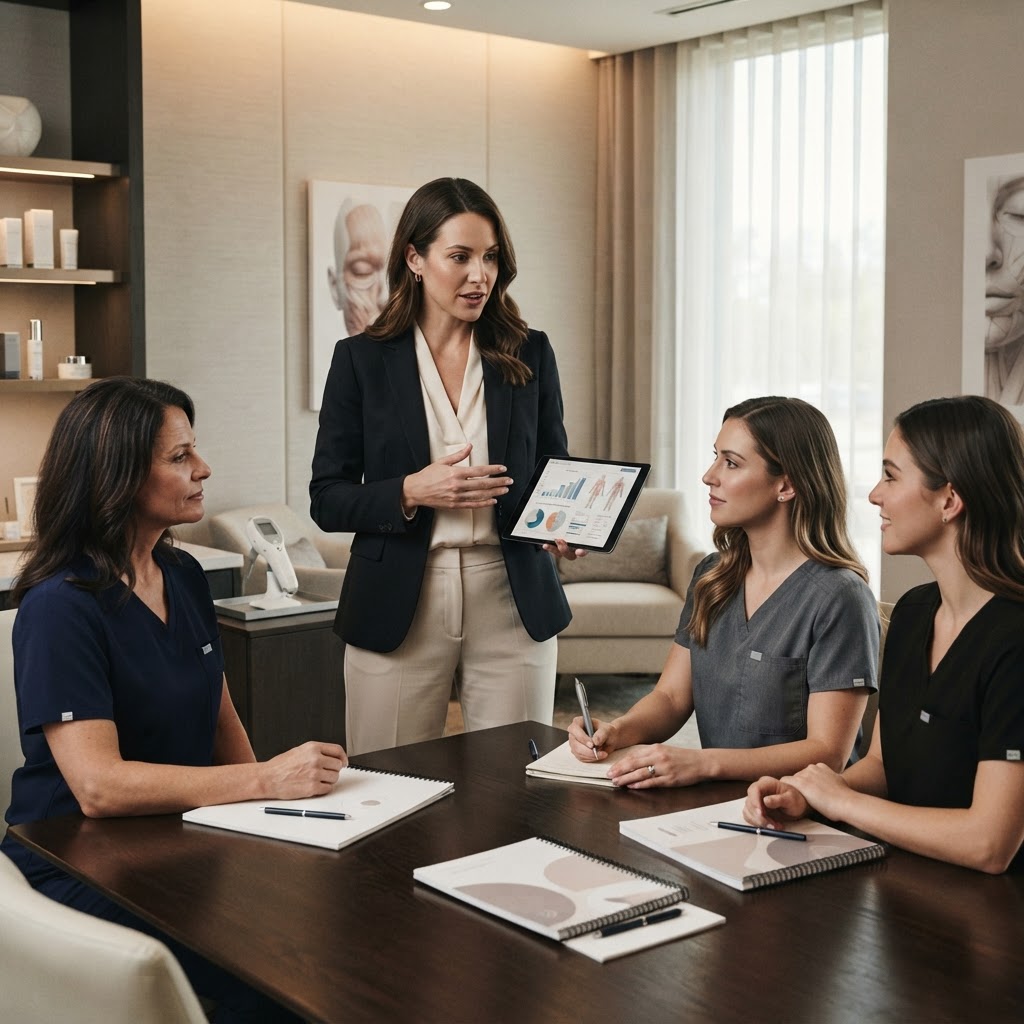
What Makes Aesthetic Sales Different From Traditional Sales
Aesthetic sales requires a different mindset than traditional sales. In medspas and aesthetic practices, trust, education, ethics, and long term relationships shape every consultation.
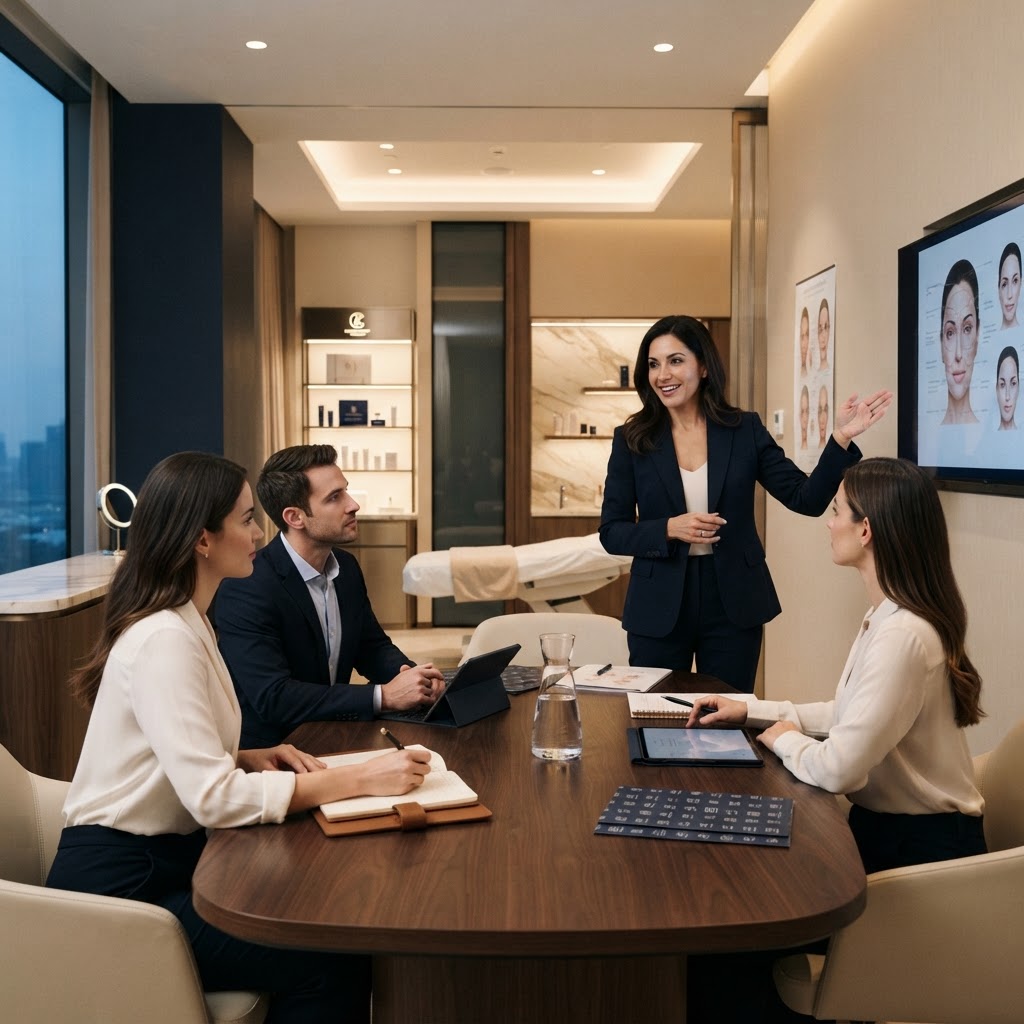
In many industries, sales is often measured by speed, persuasion, and closing ability. In aesthetics, the standard is different. Aesthetic sales happens in a highly personal, trust-based environment where clients are making elective decisions tied to appearance, confidence, lifestyle, and budget.
That means the best aesthetic sales professionals are not simply product promoters. They are skilled communicators who guide consultations with empathy, clarity, professionalism, and ethical intent. In a medspa or aesthetic practice, success depends on helping clients feel informed, comfortable, and respected at every step of the decision-making process.
Why This Topic Matters
Understanding what makes aesthetic sales different is essential for any medspa owner, patient coordinator, consultant, or provider who wants to improve conversion without compromising trust.
Unlike traditional retail or transactional sales, aesthetic consultations often involve emotion, vulnerability, and multiple touchpoints before a decision is made. A client may need time to process options, evaluate priorities, discuss finances, or build confidence in the provider and treatment plan. If a team uses overly aggressive or generic sales tactics, it can quickly create resistance.
Strong aesthetic sales systems support both the client experience and practice growth. They improve consultation quality, increase treatment acceptance, and help teams communicate value more effectively. For practices focused on sustainable results, this is a critical skill set.
If your team is building a stronger foundation for consultations and revenue, exploring educational resources through the Aesthetic Sales Institute homepage and the latest insights on the training blog can help create a more consistent strategy.
Aesthetic Sales Starts With Emotion and Trust
At the core of aesthetic sales is the fact that clients are not buying a standard product. They are considering a change that affects how they look, how they feel, and how they present themselves to the world.
Aesthetic decisions are personal
A client booking a consultation for injectables, skin treatments, body contouring, or a treatment plan is often motivated by more than the procedure itself. They may want to look more refreshed, feel more confident in photos, prepare for a milestone event, or address a long-standing concern.
In traditional sales, the decision may be based mostly on features, convenience, or price. In aesthetics, the emotional context matters just as much as the practical one. This requires a softer, more consultative communication style.
Trust affects every stage of the sale
Clients need confidence in the provider, the treatment recommendation, the expected experience, and the professionalism of the team. Trust is not built through pressure. It is built through listening, transparency, consistency, and a polished patient journey.
When a client feels heard and respected, they are more likely to move forward. When they feel rushed or sold to, hesitation increases, even if they were initially interested.
The Consultation Is Part Education, Part Decision Support
One of the biggest differences between aesthetic sales and traditional sales is the role of education.
Clients need clarity, not just enthusiasm
Aesthetic clients often arrive with mixed levels of understanding. Some have researched treatments extensively. Others may only know what they have seen on social media. In either case, they need guidance that is accurate, balanced, and easy to understand.
Effective aesthetic sales includes:
- Clarifying goals and concerns
- Explaining treatment options in a professional, simple way
- Setting realistic expectations
- Discussing timing, investment, and maintenance honestly
- Helping the client prioritize based on their goals and comfort level
This is not about reciting a script. It is about translating expertise into clear communication that supports informed decisions.
Ethical sales protects the relationship
Aesthetic consultations should never feel manipulative. Clients should feel empowered to ask questions, take time to think, and make a decision that aligns with their priorities. Ethical sales does not weaken conversion. It strengthens it by building long term confidence in the practice.
Continuity Matters More Than One Time Closing
Traditional sales often focuses heavily on the immediate transaction. In aesthetics, the first sale is only one part of the relationship.
The client journey extends beyond one appointment
Many aesthetic services involve a broader journey, not a one time purchase. A client may begin with one treatment, then continue with maintenance, complementary services, skincare, or future consultation opportunities.
Because of this, aesthetic sales should be designed around continuity. A strong consultation does not just answer, "Will they buy today?" It also considers:
- Will they return?
- Will they trust future recommendations?
- Will they follow through with a treatment plan?
- Will they refer others?
This long term perspective changes how teams speak, follow up, and measure success.
Follow-up is part of the sales process
In traditional sales, follow-up may be used to recover a lost opportunity. In aesthetics, follow-up is often an essential step in the natural decision cycle. Clients may need a few days to think, coordinate schedules, or review finances.
A thoughtful follow-up process keeps communication warm and professional without creating pressure. It reinforces care, answers remaining questions, and helps clients move forward when they are ready.
Team Alignment Shapes the Sale
Another major difference is that aesthetic sales is rarely handled by one person alone. The client experience is influenced by the entire team.
Every touchpoint affects conversion
From the first phone call or online inquiry to the consultation and checkout process, each interaction shapes perception. Front desk coordinators, patient care teams, consultants, and providers all contribute to the client's sense of trust and professionalism.
A practice may have exceptional clinical skills, but if the intake process feels disorganized or the coordinator cannot confidently communicate value, conversion may suffer.
Consistency builds confidence
The strongest medspa teams have alignment in how they:
- Welcome and qualify inquiries
- Discuss consultation expectations
- Transition between team members
- Present recommendations and pricing
- Handle objections and questions
- Follow up after the visit
When messaging is consistent, clients feel they are in capable hands. When communication is fragmented, even strong interest can fade.
Metrics in Aesthetic Sales Are Different
Traditional sales teams often focus on volume, close rate, and average transaction size. Those metrics matter, but aesthetic sales requires a broader view.
The right numbers reflect both growth and experience
Useful aesthetic sales metrics may include:
- Consultation conversion rate
- Inquiry to consultation booking rate
- Consultation show rate
- Treatment plan acceptance
- Average client value over time
- Rebooking rate
- Follow-up conversion
These metrics help teams understand not just whether clients buy, but how effectively the practice supports decision-making and retention.
Quality matters as much as quantity
A high pressure close may create short term revenue, but it can damage reviews, referrals, and long term trust. In aesthetics, the best results often come from improving consultation quality, communication skills, and team consistency rather than simply pushing for faster closes.
Practical Examples
Example 1: Feature selling vs outcome-based consultation
Traditional approach: A coordinator lists treatment features, package sizes, and pricing immediately.
Aesthetic approach: The coordinator first explores the client's goals, then connects recommended options to those goals in a calm, educational way. The conversation feels tailored rather than transactional.
Example 2: Pressure vs professional pacing
Traditional approach: The sales person pushes for a same day commitment using urgency alone.
Aesthetic approach: The team explains available options, outlines the next step, and uses appropriate follow-up. The client feels supported, not cornered.
Example 3: One sale vs long term plan
Traditional approach: The focus is on closing one treatment today.
Aesthetic approach: The consultation frames the treatment within a broader plan, including maintenance, timing, and realistic expectations. This creates clarity and often improves retention.
Common Mistakes in Aesthetic Sales
Even experienced teams can make avoidable mistakes when they apply general sales habits to a medspa setting.
Mistake 1: Talking too much, listening too little
Clients want to feel understood. If the team moves into explanation mode too quickly, important motivations and objections may never surface.
Mistake 2: Leading with price before value
Price matters, but presenting pricing before establishing relevance and value can make the conversation feel purely transactional.
Mistake 3: Using inconsistent messaging across the team
If the front desk promises one experience, the consultant presents another, and the provider frames it differently again, trust can erode.
Mistake 4: Avoiding follow-up
Many practices lose interested clients simply because no one follows up clearly, professionally, and on time.
Mistake 5: Confusing ethics with passivity
Ethical sales does not mean being vague or hesitant. It means guiding the conversation with confidence, clarity, and respect.
Action Steps for Medspa Teams
If you want to strengthen aesthetic sales in your practice, start with these steps:
- Audit your consultation flow. Review how inquiries are handled, how consultations are structured, and where clients tend to stall.
- Train for discovery skills. Teach team members to ask better questions, listen actively, and uncover client priorities.
- Standardize value communication. Make sure the team can explain recommendations, investment, and next steps clearly and consistently.
- Build a follow-up system. Create timelines, scripts, and expectations for professional post-consultation outreach.
- Track the right metrics. Look beyond same day closes and measure the full consultation journey.
- Protect the client experience. Every process should support trust, clarity, and comfort.
For teams that want a more structured path, exploring the educational resources on the Aesthetic Sales Institute website and browsing the latest blog articles can help you identify practical opportunities for improvement.
Join the Prelaunch List
Aesthetic sales is not traditional sales with a new label. It is a distinct skill set shaped by trust, emotion, education, ethics, and long term relationship building. Practices that understand this difference are better positioned to create strong consultations, healthier conversion, and a more elevated client experience.
If you are ready to sharpen your consultation strategy and build a more confident, ethical sales culture, join the Aesthetic Sales Institute prelaunch list. You will get 20% off at launch and early access to premium training designed specifically for aesthetic professionals and medspa teams.