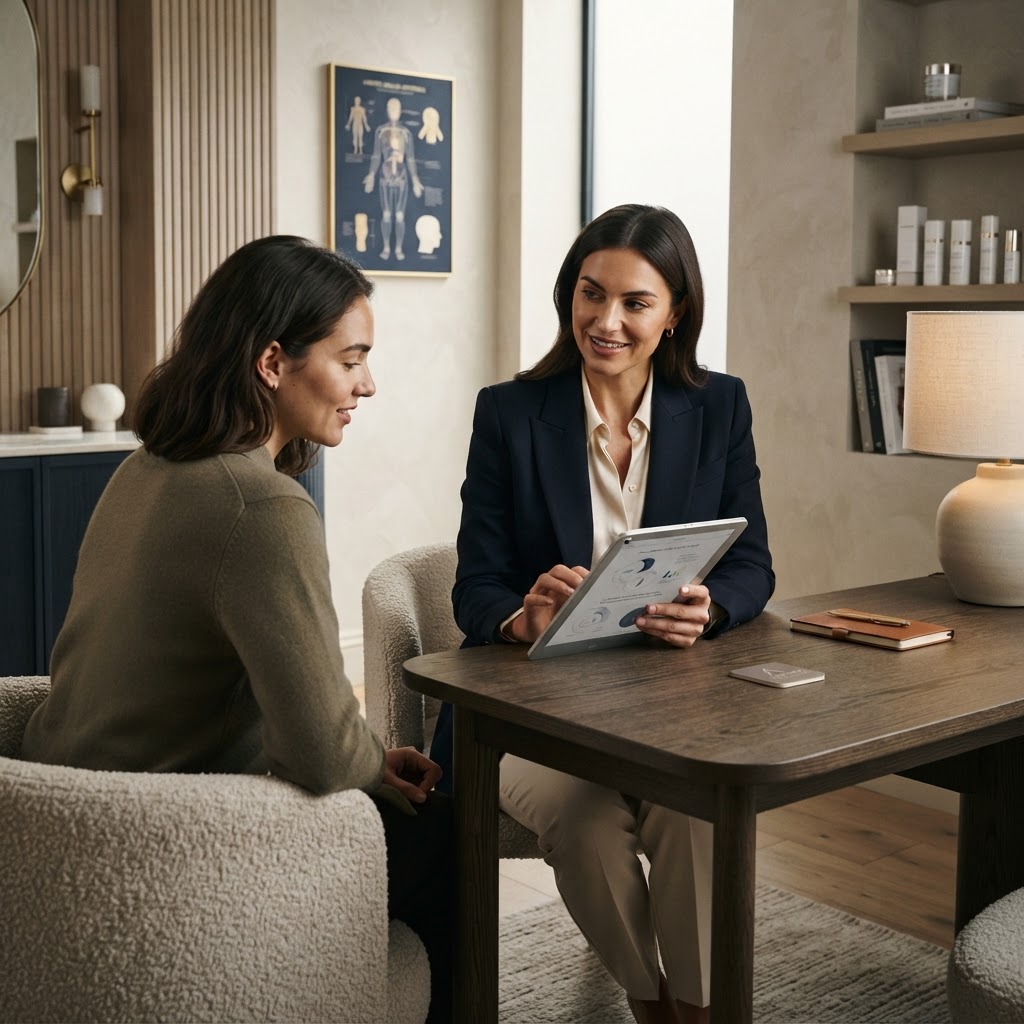
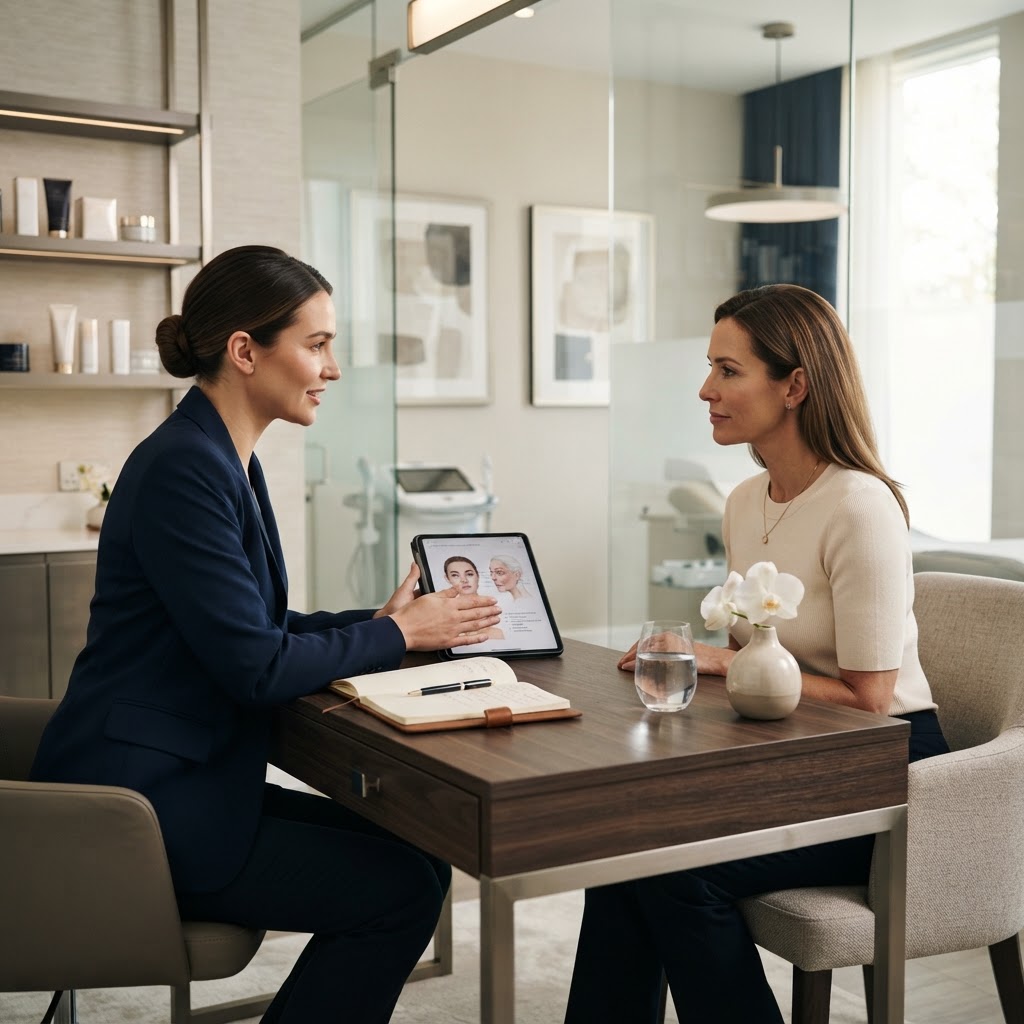
Aesthetic Consultation Follow Up Best Practices
A strong follow up process helps aesthetic practices build trust, improve consultation outcomes, and support patient decisions ethically. Here is how to create a professional system that feels personal, timely, and consistent.
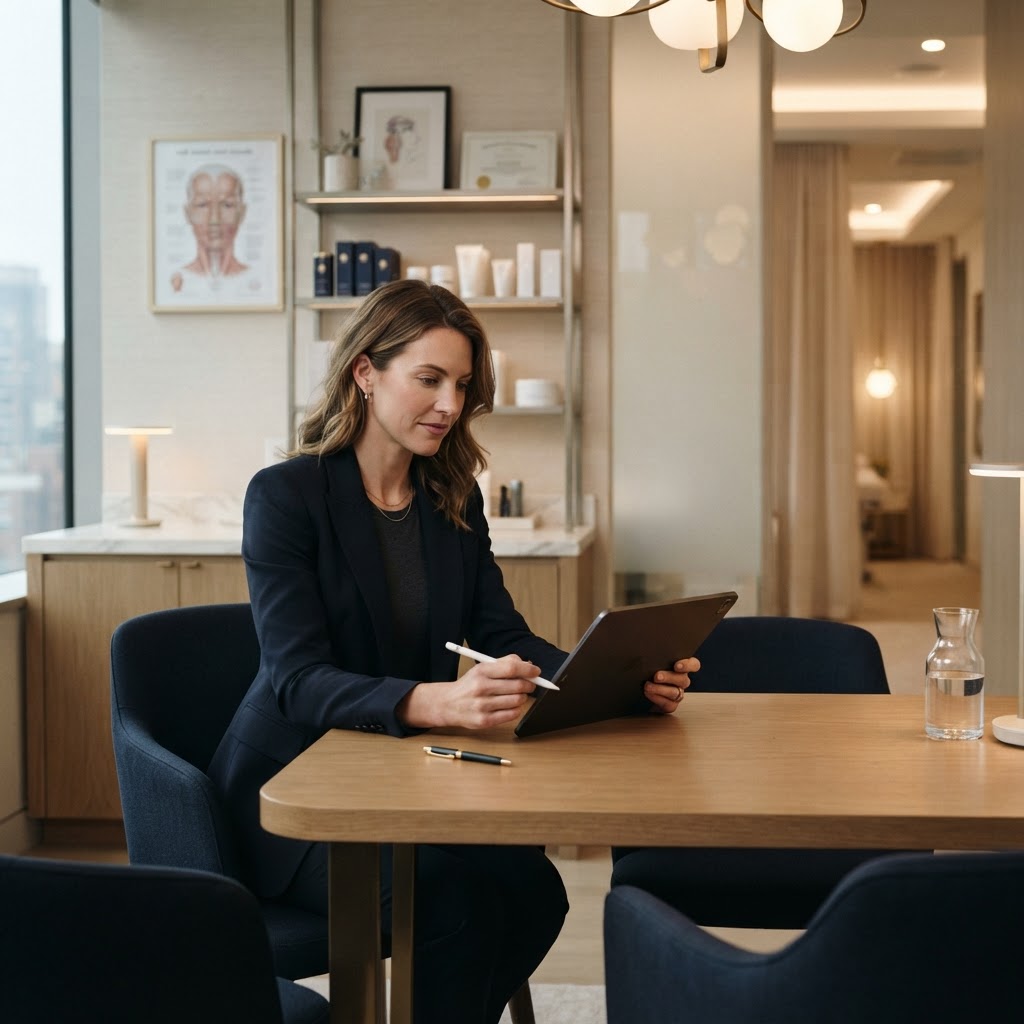
An effective aesthetic consultation follow up process does far more than check in after an appointment. It reinforces trust, clarifies the treatment plan, answers lingering questions, and helps the patient move forward when the timing is right. In a medspa or aesthetic practice, where decisions often involve emotion, budget, timing, and confidence, thoughtful follow up can be the difference between interest and action.
For teams building a more refined consultation process, consistent follow up should feel supportive, not pushy. It should reflect your brand standards, protect the patient experience, and make the next step easy. At the Aesthetic Sales Institute, this is one of the core skills that separates average coordinators and consultants from high performing professionals.
Why Aesthetic Consultation Follow Up Matters
Aesthetic patients rarely make decisions based on information alone. They are also evaluating comfort, trust, timing, perceived value, and whether they feel understood. Even when a consultation goes well, many patients leave needing time to think, compare options, review finances, or discuss scheduling.
Without a clear follow up strategy, practices risk losing warm leads who were interested but not yet ready. This creates avoidable revenue leakage and an inconsistent patient journey.
A polished follow up process helps your team:
- Stay top of mind without creating pressure
- Reinforce the value of the recommended treatment plan
- Address practical barriers such as scheduling and financing questions
- Show professionalism and consistency across the patient experience
- Increase consultation to treatment conversion in an ethical way
In premium aesthetics, the quality of communication after the consultation often shapes how the entire brand is perceived.
1. Set the Right Timing and Follow Up Cadence
The first rule of strong follow up is simple: do not wait too long. The consultation is when interest, emotion, and attention are highest. If your team disappears for several days, momentum can fade quickly.
A recommended follow up timeline
A simple cadence often works well:
- Same day or within 24 hours: Send a personalized thank you message and recap the plan
- 48 to 72 hours later: Check in for questions, clarify priorities, and offer support
- 5 to 7 days later: Reconnect with a helpful next step, such as scheduling, package review, or treatment timing
- Beyond one week: Continue only if appropriate, based on the patient profile, level of interest, and communication preferences
This structure keeps the practice present without overwhelming the patient.
Match timing to the consultation type
Not every consultation should be followed up in the same way. A patient exploring a first injectable treatment may need reassurance and education. A patient considering a higher investment treatment plan may need more time and more detailed financial clarity. A returning patient may only need a brief, confident touchpoint.
Strong teams tailor timing based on:
- Treatment complexity
- Budget sensitivity
- Urgency of the patient goal
- Event driven timelines
- Existing relationship with the practice
2. Know What to Include in Every Follow Up Message
A good follow up message is clear, professional, and easy to respond to. It should not feel generic or sales heavy.
Core elements of an effective message
Each follow up should usually include:
- A thank you for the consultation or time spent with the team
- A brief reference to the patient's goals
- A concise recap of the recommended treatment path
- An invitation to ask questions
- A simple next step, such as booking, reviewing pricing, or replying for clarification
This keeps the communication focused and useful.
Keep the tone supportive
Patients should feel that your team is available, organized, and confident. Avoid language that sounds scripted, urgent, or overly promotional. Premium follow up sounds calm and specific.
For example, instead of saying:
"Just following up to see if you are ready to book."
A stronger version is:
"It was a pleasure meeting with you. Based on your goal of improving skin texture before your event, your recommended plan included a series approach with appropriate spacing. If you would like, I can help you review timeline options and available appointment dates."
That language reflects attention, not pressure.
3. Personalize the Follow Up to the Patient's Motivation
Personalization is what makes follow up feel high touch. In aesthetics, patients want to feel seen, not processed.
Listen for the real buying motivator
During the consultation, your team should identify why the patient is considering treatment now. That motivator may be:
- A life event or milestone
- A confidence concern that has grown over time
- A desire for maintenance and prevention
- A wish for natural looking improvement
- A need for a manageable treatment plan within budget
Follow up messaging should reflect that context. If the patient wants subtle refinement, do not send messaging that implies dramatic change. If they are budget conscious, make it easy to discuss phased planning.
Choose the right communication channel
Not all patients respond the same way. Some prefer text for convenience. Others appreciate email for treatment recap and pricing detail. In some cases, a phone call is the best way to answer nuanced questions.
Best practice is to document and respect the patient's preferred communication style. This increases response rates and improves the overall experience.
For more patient communication and consultation insights, explore the latest resources on the training blog.
4. Build a System the Whole Team Can Execute Consistently
Follow up should not depend on memory or individual style alone. The most successful practices create systems that support consistency while leaving room for personalization.
Use documentation well
After every consultation, capture notes such as:
- Primary treatment interest
- Stated goals and concerns
- Budget considerations
- Timing factors
- Questions that were not fully resolved
- Preferred communication method
- Recommended next step
This allows any team member involved in the patient journey to continue the conversation professionally and accurately.
Create templates, then customize them
Templates are helpful for speed and brand consistency, but they should never sound robotic. A premium approach uses a structured framework with room to insert patient specific details.
For example, your team may have:
- A same day thank you template
- A treatment recap email template
- A re engagement message for patients who paused
- A check in message for financing or scheduling questions
Well designed systems create efficiency without sacrificing warmth.
Align the team around expectations
Consultants, coordinators, providers, and front desk team members should all understand the follow up workflow. Misalignment causes duplicated messages, delayed outreach, or mixed communication.
Practices that invest in sales and communication training often see stronger consistency because expectations are clearly defined. If your team is refining its approach, start with the educational tools available through the Aesthetic Sales Institute homepage.
Practical Examples of Strong Follow Up
Example 1: First time injectable consultation
"Thank you again for visiting us today. It was great to learn more about your goal of a refreshed, natural look. Based on your consultation, we reviewed a conservative treatment approach that aligns with that goal. If you would like, I can answer any follow up questions or help you find an appointment time that works for your schedule."
Example 2: Energy based treatment consultation
"It was a pleasure meeting with you. We discussed your interest in improving tone and texture, and reviewed a treatment plan that would be scheduled over time for best continuity. If you would like to revisit pricing, timing, or preparation details, I am happy to help you with next steps."
Example 3: Patient not ready to book same day
"Thank you for coming in today. I understand you are reviewing timing and budget before making a decision. Your consultation notes are on file, and I would be glad to help you break the plan into phases if that would be helpful. Feel free to reply here with any questions."
These examples work because they are specific, calm, and easy to respond to.
Common Mistakes to Avoid
Even well intentioned teams can weaken follow up with habits that reduce trust.
Being too generic
A message that could have been sent to anyone does not reinforce connection. Use details from the consultation.
Following up too aggressively
Repeated messages in a short period can make patients uncomfortable. Ethical persistence is different from pressure.
Leading with discounts immediately
Price incentives should not replace value based communication. If the consultation did not build enough clarity or trust, a discount alone rarely solves the real issue.
Failing to document objections or concerns
If a patient said they were worried about downtime, budget, or timing, and your follow up ignores it, the message feels disconnected.
Making the next step unclear
Patients should know exactly what to do next, whether that is replying with a question, scheduling, or requesting a revised plan.
Action Steps for Your Medspa Team
To improve your aesthetic consultation follow up process, start with these practical steps:
- Audit your current follow up timeline: Measure how quickly the first touchpoint happens after consultations.
- Standardize your cadence: Create a simple, brand aligned follow up sequence for different consultation types.
- Train for personalization: Teach team members to reference patient goals, concerns, and motivators.
- Review message quality: Remove vague, transactional language and replace it with concise, supportive communication.
- Track outcomes: Monitor response rates, booking rates, and consultation conversion trends.
- Refine regularly: Use team feedback and patient behavior to improve scripts, timing, and workflows.
The goal is not just more messages. It is better messages, delivered at the right time, with the right intention.
Final Call to Action
If you want your team to master follow up, consultation strategy, and ethical aesthetic sales communication, now is the time to get connected. Join the Aesthetic Sales Institute prelaunch list to receive 20% off at launch and be the first to access premium training built specifically for aesthetic sales professionals and medspa teams.