Why Follow Up Matters After Aesthetic Consultations
A thoughtful follow up process helps medspa teams build trust, answer objections, and support better decision making after consultations. Learn how to make aesthetic consultation follow up more consistent, ethical, and effective.
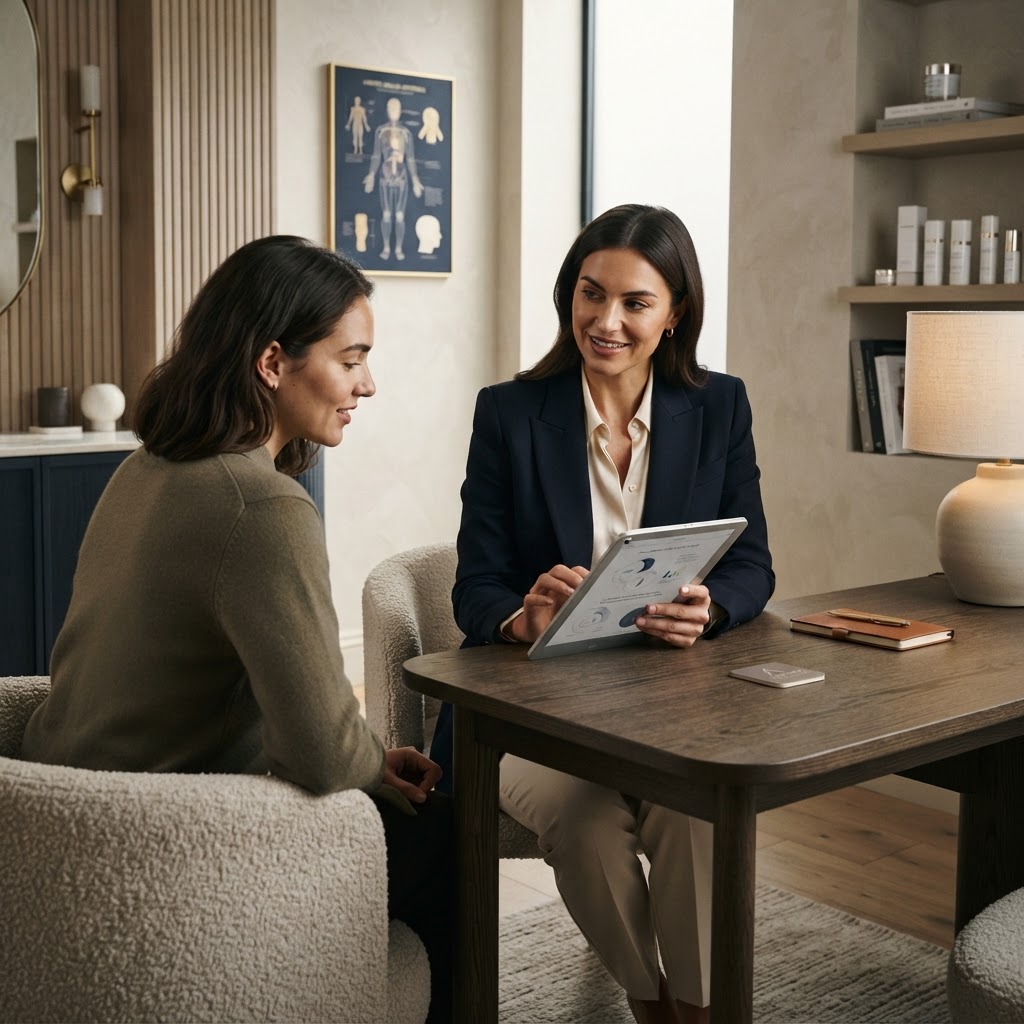
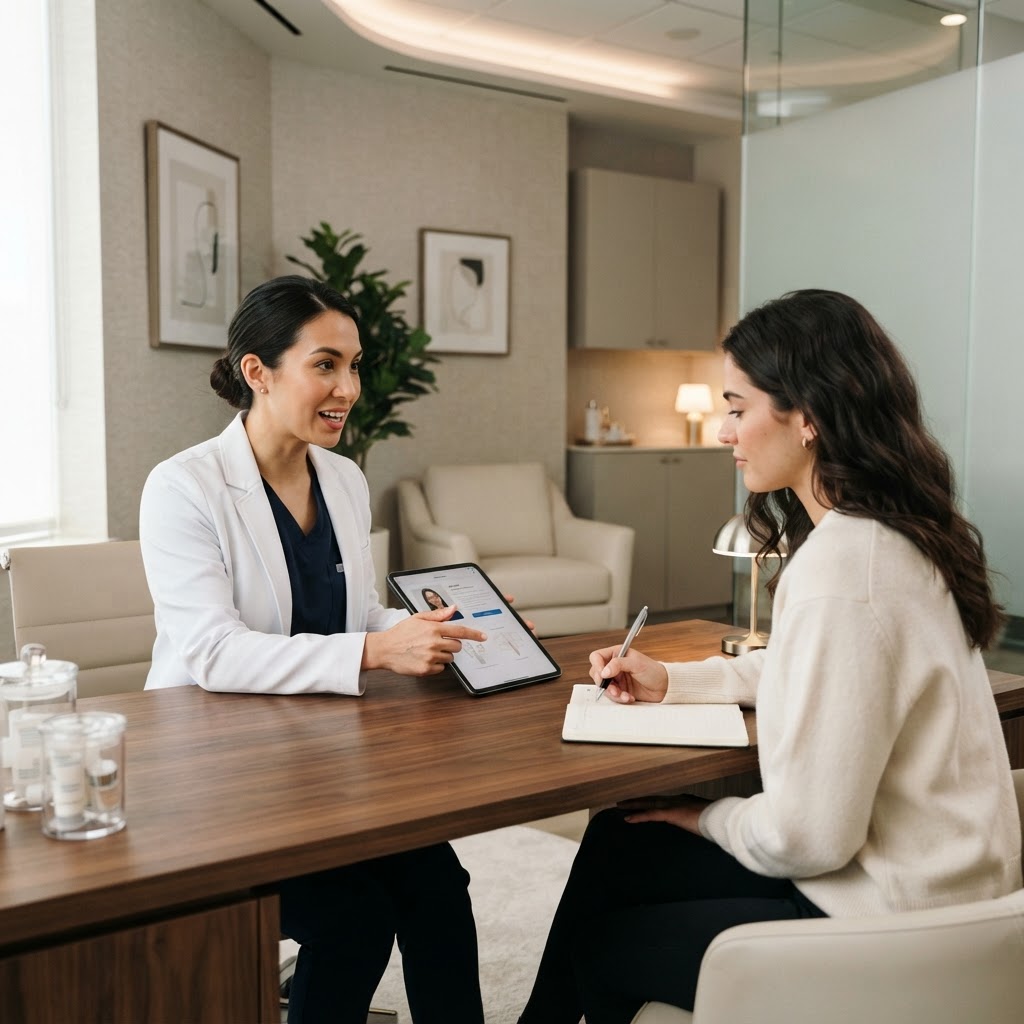
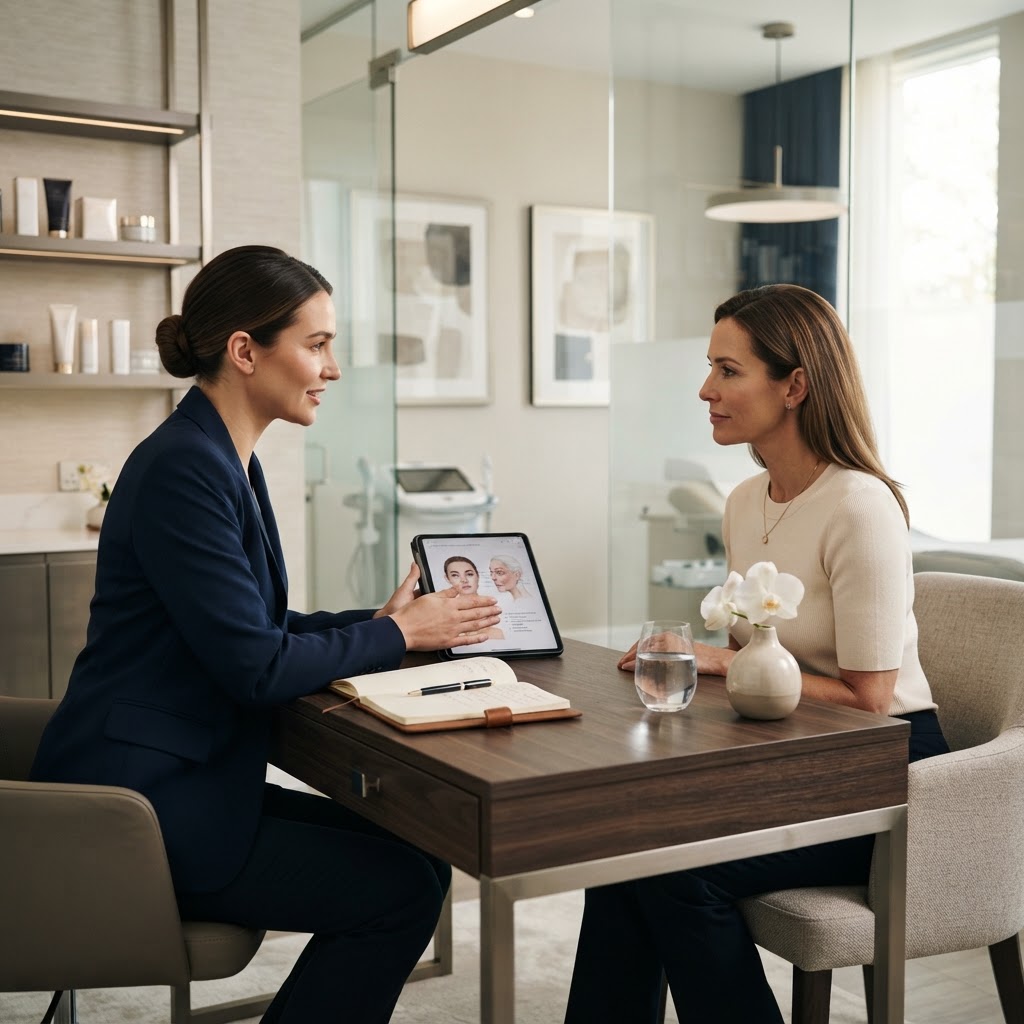
Aesthetic consultations rarely end when the client leaves the room. In many medspas, the real decision-making happens afterward, when the client has time to reflect, compare options, review pricing, and talk with a partner or family member. That is why aesthetic consultation follow up is not just a courtesy, it is a critical part of the client journey.
When handled well, follow up reinforces trust, clarifies the treatment plan, and keeps your practice top of mind without creating pressure. For aesthetic sales professionals, patient coordinators, and medspa teams, a structured follow up process can elevate both the client experience and the consistency of results. If your team is building a more polished consultation process, explore the resources on the Aesthetic Sales Institute homepage and continue learning through the latest industry insights on the blog.
Why Follow Up Matters in Aesthetic Sales
In aesthetics, clients are often making discretionary decisions. They are not always booking immediately, even when they are interested. Unlike simple retail transactions, treatments may involve a larger financial commitment, a longer timeline, or emotional considerations tied to appearance, confidence, and trust.
A strong follow up process matters because it helps bridge the gap between initial interest and informed action. It also helps practices avoid a common mistake: assuming that silence means lack of interest. In reality, many clients delay because they feel overwhelmed, need more clarity, or simply get distracted.
Thoughtful follow up supports the consultation in several ways:
- It shows professionalism and consistency.
- It gives clients a chance to ask questions after processing information.
- It reduces confusion about pricing, timelines, and next steps.
- It helps teams stay connected without sounding transactional.
- It creates a more complete experience that reflects the quality of the brand.
In premium aesthetics, details matter. A medspa may invest heavily in branding, clinical excellence, and the in-person experience, but if the follow up is inconsistent or missing entirely, opportunities are lost and the client journey can feel incomplete.
Follow Up Builds Trust, Not Pressure
One of the biggest misconceptions in aesthetic sales is that follow up feels pushy. In reality, poor follow up feels pushy. Skilled follow up feels supportive.
Clients Need Time to Process
During a consultation, clients are absorbing a lot of information. They may hear about treatment options, expected timelines, package recommendations, membership opportunities, and pre or post treatment considerations. Even highly interested clients may leave with unanswered questions.
Following up gives them space to revisit the conversation in a lower-pressure setting. A brief, well-timed message can communicate, "We are here if you need clarity," rather than, "Why have you not booked yet?"
Trust Grows Through Consistency
Trust in aesthetics is built through small signals. Prompt communication, organized next steps, and respectful timing all communicate that your practice is attentive and professional. When the same level of care shown during the consultation continues afterward, clients feel more confident in the team and the process.
This is especially important for higher-ticket treatment plans, combination services, and long-term aesthetic programs, where clients are evaluating both value and credibility.
Follow Up Improves Conversion by Reducing Friction
In many cases, clients do not need to be persuaded. They need obstacles removed.
Common Post-Consultation Friction Points
After an aesthetic consultation, clients often hesitate because of practical issues such as:
- Uncertainty about which treatment option is best
- Questions about scheduling and downtime
- Confusion about package pricing or financing
- Needing approval from a spouse or partner
- Forgetting the recommended treatment sequence
A good follow up system anticipates these concerns and addresses them clearly. Instead of waiting for the client to reinitiate contact, your team can provide gentle support that makes the next step easier.
Example of Friction Reduction
Imagine a client comes in for a facial balancing consultation and expresses interest in a treatment plan, but does not book that day. A thoughtful follow up the next morning might include:
- Appreciation for their visit
- A concise recap of the recommended plan
- A reminder of the proposed timing
- An invitation to ask questions
- A simple booking link or coordinator contact
This kind of outreach does not pressure the client. It reduces mental effort, which often increases the likelihood of a response.
Follow Up Supports Better Treatment Plan Communication
Consultations are not only sales conversations. They are communication moments where clients need to understand what is being recommended and why.
Reinforcing the Plan Clearly
A follow up message can help reinforce treatment plan communication in a way that is easy to review later. This is valuable when clients are comparing providers or trying to remember differences between several options.
For example, a post-consultation summary can restate:
- The primary treatment discussed
- The expected sequence or number of sessions
- The rationale for the recommendation
- The next best step if they are ready
This clarity supports ethical decision-making. It helps the client make an informed choice based on understanding, not urgency.
Aligning the Team Message
Follow up also creates internal consistency. If providers, coordinators, and front desk team members all communicate the same plan and next steps, the client receives a more seamless experience. Misalignment can create doubt. Alignment creates confidence.
For teams focused on raising communication standards, the educational content on the Aesthetic Sales Institute homepage can support more consistent systems and stronger client interactions.
Timing and Method Matter More Than Volume
Effective aesthetic consultation follow up is not about sending repeated messages. It is about reaching out at the right time, in the right tone, with the right content.
Best Practices for Timing
A simple sequence often works well:
- First follow up within 24 hours
- Second follow up within 3 to 5 days if there is no response
- Final follow up within 7 to 14 days, depending on the treatment and sales cycle
This cadence keeps communication active without overwhelming the client. More complex treatment plans may justify a longer nurturing timeline, especially when seasonality, budgeting, or scheduling play a role.
Choosing the Right Channel
The right method depends on client preference and the brand experience. Options may include:
- Text for quick, warm communication
- Email for treatment summaries and pricing clarity
- Phone calls for high-touch consults or complex cases
The key is to document preferences and stay consistent. Premium brands do not treat communication as random. They make it intentional.
Practical Examples of Strong Follow Up
Here are a few examples of how medspa teams can make follow up more effective.
Example 1: The Interested but Uncertain Client
A client loved the consultation but seemed hesitant about timing. A good follow up would acknowledge their interest, restate the recommended timeline, and offer help finding an appointment window that fits their schedule.
Example 2: The Price-Conscious Client
A client was engaged but paused at investment. A useful follow up might clarify package value, available payment options, or phased treatment planning without changing the recommendation solely to close the sale.
Example 3: The Client Comparing Providers
A client mentions they are researching options. A strong follow up should focus on clarity and professionalism, not defensiveness. Reinforce the consultation plan, answer any open questions, and invite them to reconnect when ready.
Additional ideas and communication strategies can be found in the consultation articles on the blog, where medspa teams can continue refining their process.
Common Follow Up Mistakes to Avoid
Even well-intentioned teams can weaken the experience if follow up is inconsistent or poorly executed.
Being Too Generic
Messages like "Just checking in" often feel vague and easy to ignore. Specificity is more effective. Reference the consultation, the client goal, and the next step.
Waiting Too Long
If follow up happens a week later with no prior contact, momentum is often lost. The consultation is no longer fresh, and the client may have moved on.
Overcontacting the Client
Multiple texts, emails, and calls in a short period can damage trust. Persistence should never replace strategy.
Failing to Document Next Steps
If the team does not track what was recommended, when to follow up, and what the client cared about most, communication becomes scattered. CRM discipline matters.
Sounding Salesy Instead of Supportive
The tone should reflect a premium, client-centered brand. Follow up should sound organized, informed, and respectful.
Action Steps for a Better Follow Up Process
If your medspa wants to strengthen results from consultations, start with these practical steps:
1. Create a Standard Follow Up Timeline
Define when the first, second, and final touchpoints should happen after a consultation.
2. Use Templates, Then Personalize
Templates improve consistency, but every message should include details from the consultation so it feels relevant.
3. Document Client Goals and Concerns
Track what the client wants, what objections came up, and what was recommended. This makes follow up more meaningful.
4. Match the Message to the Treatment Plan
A simple skincare consultation and a more comprehensive aesthetic plan may require different follow up styles and timelines.
5. Train the Team on Tone and Ethics
Follow up should support informed decisions, not pressure. Teams need communication training, not just scripts.
Final Thoughts
Aesthetic consultation follow up is one of the most important, and often most underdeveloped, parts of the medspa client journey. It builds trust, improves clarity, reduces friction, and helps clients move forward with confidence when the timing is right.
For aesthetic sales professionals and medspa teams, this is an operational skill and a brand experience skill. When follow up is thoughtful, timely, and ethical, it strengthens both relationships and performance.
If you want to elevate your consultation systems and sales communication, join the Aesthetic Sales Institute prelaunch list and get 20% off at launch. Visit the homepage to learn more and stay connected for upcoming training and resources.