How Better Sales Training Improves Patient Experience
Strong sales training does more than improve conversions. It helps medspa teams create a smoother, more ethical, and more patient-centered experience at every touchpoint.
Patient experience in a medspa is shaped by far more than treatment outcomes alone. It begins with the first phone call, continues through consultation and treatment planning, and influences whether a patient feels informed, respected, and confident enough to move forward. In this setting, sales training is not about pressure. It is about communication, clarity, trust, and consistency.
When done well, sales training patient experience strategies help aesthetic teams guide patients through important decisions with professionalism and empathy. For medspas that want to elevate both service quality and team performance, investing in communication and consultation skills can strengthen every stage of the patient journey. If you are building a stronger foundation for your team, explore the Aesthetic Sales Institute homepage and browse more insights on the blog.
Why This Topic Matters
Aesthetic medicine is a relationship-driven industry. Patients are often making elective decisions that involve appearance, budget, timing, and personal confidence. That means the consultation experience must feel thoughtful and educational, not transactional.
Without proper training, even talented providers and coordinators can unintentionally create confusion. They may talk too much about treatments and not enough about goals. They may present pricing before establishing value. They may rush through objections that are actually requests for reassurance or education.
Better sales training supports a better patient experience because it teaches teams how to listen carefully, communicate clearly, and guide patients ethically. In a medspa, that can lead to stronger trust, fewer misunderstandings, and a more seamless path from inquiry to treatment plan acceptance.
Sales Training Builds Better First Impressions
Every patient interaction sets the tone
Patient experience often starts before a consultation ever takes place. Front desk teams, patient coordinators, and sales-focused staff influence how welcome and informed a prospective patient feels. A rushed or inconsistent response can create uncertainty. A polished and professional interaction can create confidence.
Training helps team members understand how to answer questions without overwhelming the patient, how to explain next steps, and how to create a sense of ease. This is especially important in aesthetic settings, where patients may feel excited but also vulnerable.
Better communication reduces friction
When teams are trained in consultation strategy and patient communication, they are more likely to avoid common friction points such as:
- Vague explanations of what a consultation includes
- Inconsistent messaging about pricing or packages
- Missed opportunities to clarify patient goals
- Overuse of industry jargon
- Poor handoffs between front desk, coordinator, and provider
These small moments have a major impact. Patients remember whether the process felt organized and respectful.
Trained Teams Ask Better Questions
The best consultations start with discovery
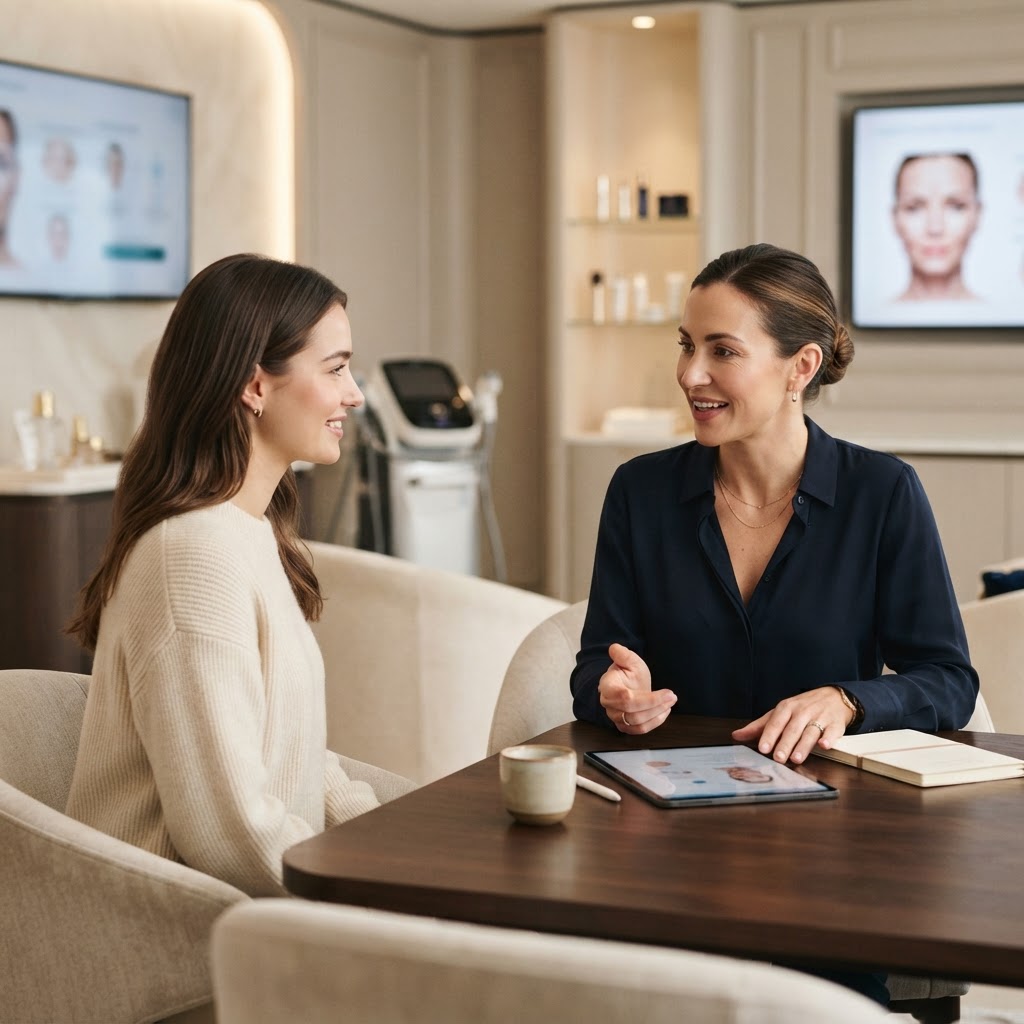
A strong consultation is not a scripted pitch. It is a guided conversation that uncovers what the patient wants, what concerns they have, and how they prefer to make decisions. Sales training teaches teams how to ask open-ended questions, listen actively, and gather meaningful information before discussing solutions.
In medspas, this matters because aesthetic goals are personal. Two patients asking about the same treatment may have very different motivations, expectations, and timelines. A trained team can recognize those differences and tailor the conversation accordingly.
Patients feel heard, not sold
When patients feel heard, they are more likely to trust the process. They do not want to feel like they are being moved through a generic sales funnel. They want to know that the recommended plan reflects their priorities.
For example, instead of jumping directly into a package recommendation, a trained coordinator might ask:
- What prompted you to come in now?
- What outcome would make this feel worthwhile for you?
- Have you had aesthetic treatments before?
- What questions or hesitations do you have about the process?
These questions create space for a more personalized experience. They also help the team present treatment options with greater relevance and sensitivity.
Ethical Sales Training Increases Trust
Trust is the foundation of conversion and retention
In the aesthetic industry, trust is essential. Patients are not simply buying a product. They are choosing an experience, a provider, and a plan that may affect how they look and feel. Ethical sales training helps teams communicate recommendations in a way that is honest, respectful, and appropriate.
This includes knowing how to explain value without overpromising, how to discuss pricing without defensiveness, and how to give patients room to make informed decisions. Ethical communication improves the patient experience because it reduces pressure and supports confidence.
Clear expectations prevent disappointment
A major reason patients feel dissatisfied is not always the treatment itself. Often, it is a mismatch between what they expected and what they understood during the consultation. Training helps teams set realistic expectations, explain timelines, and reinforce what the next steps look like.
That kind of clarity benefits everyone. Patients feel more prepared. Teams feel more confident. Practices reduce the risk of miscommunication.
For more resources on ethical consultation communication and team development, visit the Aesthetic Sales Institute.
Sales Training Improves Treatment Plan Communication
Clarity helps patients make decisions
A treatment plan can be clinically appropriate and still feel confusing if it is not communicated well. Sales training helps aesthetic teams present treatment plans in a way that is structured, easy to understand, and connected to the patient's goals.
This may include:
- Summarizing the patient's priorities before presenting options
- Explaining recommendations in plain language
- Organizing options by timeline, investment, or desired outcome
- Confirming patient understanding before moving forward
When patients understand why a plan was recommended, they are more likely to feel comfortable evaluating it.
Practical example
Consider a patient who comes in interested in facial rejuvenation but feels uncertain about where to start. An untrained team member might list multiple treatments and prices quickly, leaving the patient overwhelmed.
A trained team member would slow the process down. They might begin by confirming the patient's top concerns, explain which approach aligns with those goals, outline what is essential versus optional, and check for understanding along the way. The patient leaves feeling educated rather than pressured.
That is a direct improvement in patient experience, and it often supports better decision-making.
Better Training Creates Consistency Across the Team
Consistency feels professional
One of the most overlooked parts of patient experience is consistency. Patients notice when one team member says one thing and another says something different. Inconsistent communication can create doubt, even if everyone has good intentions.
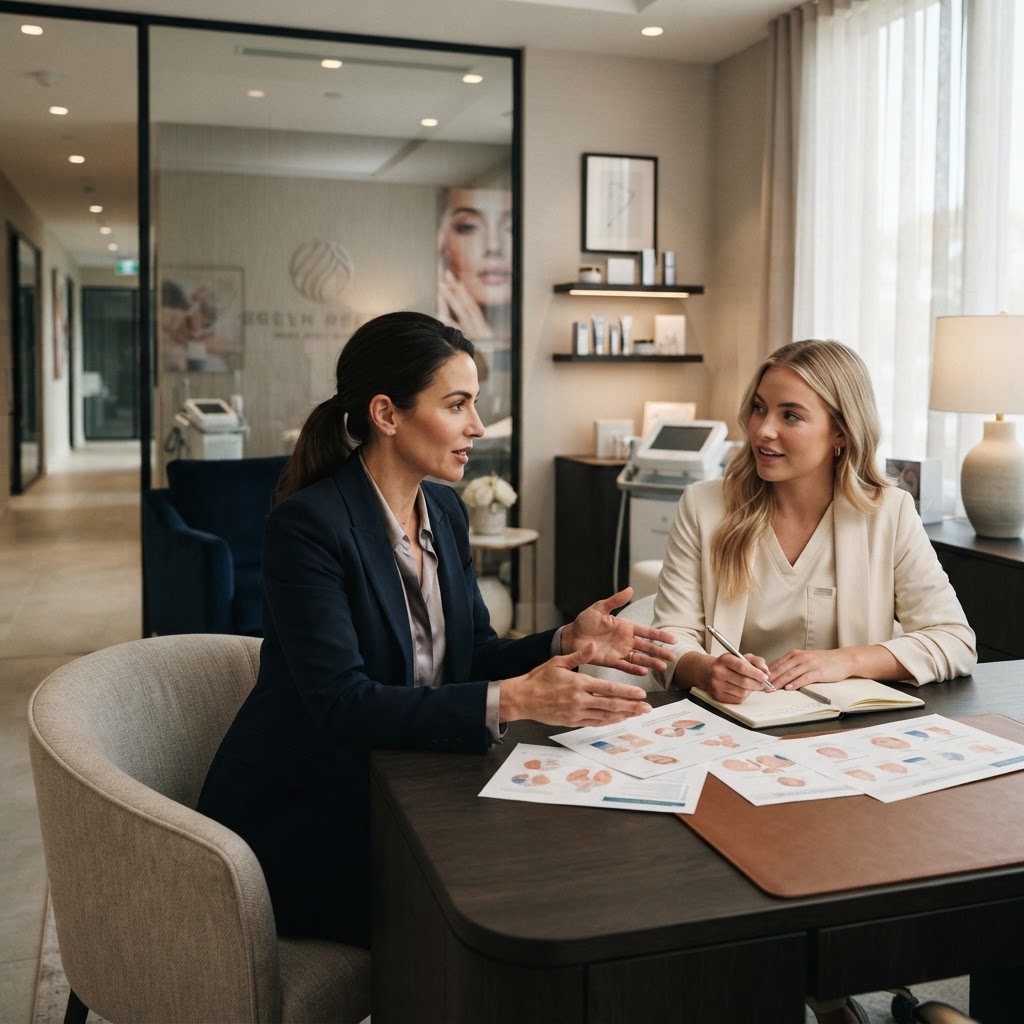
Sales training creates shared standards for how inquiries are handled, how consultations are structured, and how treatment plans are discussed. This consistency makes the practice feel more polished and trustworthy.
Practical example
A medspa may have excellent providers but inconsistent follow-up after consultations. Some coordinators send detailed next steps, while others send brief or delayed messages. With training, the team can implement a more reliable follow-up process that reflects the same level of care patients experienced in person.
Consistency does not mean sounding robotic. It means delivering a high standard of communication at every stage.
Common Mistakes That Hurt Patient Experience
Even well-meaning teams can undermine the patient journey if they have not been trained in effective sales communication. Common mistakes include:
- Talking more than listening during consultations
- Leading with pricing before understanding patient goals
- Using too much technical language
- Recommending too many options at once
- Failing to clarify realistic timelines and outcomes
- Treating objections as resistance instead of questions
- Neglecting timely, thoughtful follow-up
These issues do not just affect sales performance. They affect how patients feel about the entire practice.
Action Steps for Medspa Teams
If you want to improve both team performance and patient satisfaction, start with practical steps that align sales training with service quality.
1. Audit the patient journey
Review each stage of the experience, from first inquiry to follow-up. Identify where communication feels unclear, inconsistent, or rushed.
2. Train for discovery, not just closing
Teach teams how to ask better questions, listen actively, and uncover patient motivations before presenting recommendations.
3. Standardize consultation flow
Create a consistent framework for consultations, treatment plan presentation, and follow-up while allowing room for personalization.
4. Strengthen ethical communication skills
Train staff to discuss pricing, options, and expectations with confidence and professionalism, without pressure-based tactics.
5. Practice real scenarios
Use role play based on common medspa conversations, including budget concerns, treatment hesitation, and decision delays. Scenario-based learning helps teams apply skills in a realistic way.
You can continue learning about patient communication, consultation strategy, and medspa growth through resources on the blog.
Final Thoughts
Improving patient experience is not only about operational efficiency or bedside manner. It is also about how well your team communicates during moments that shape trust and decision-making. In aesthetic medicine, sales training should support education, empathy, and clarity. When it does, patients feel more comfortable, more informed, and more respected throughout the process.
For medspas that want a more refined and effective approach, better training can elevate both the patient journey and team confidence. Join the Aesthetic Sales Institute prelaunch list to get 20% off at launch and be the first to access premium training designed for aesthetic sales professionals and medspa teams.