How to Sell Aesthetic Treatments With Better Listening
Better listening helps aesthetic professionals understand patient goals, build trust, and guide more confident treatment decisions. Here is how to use listening skills to improve consultations in an ethical, professional way.

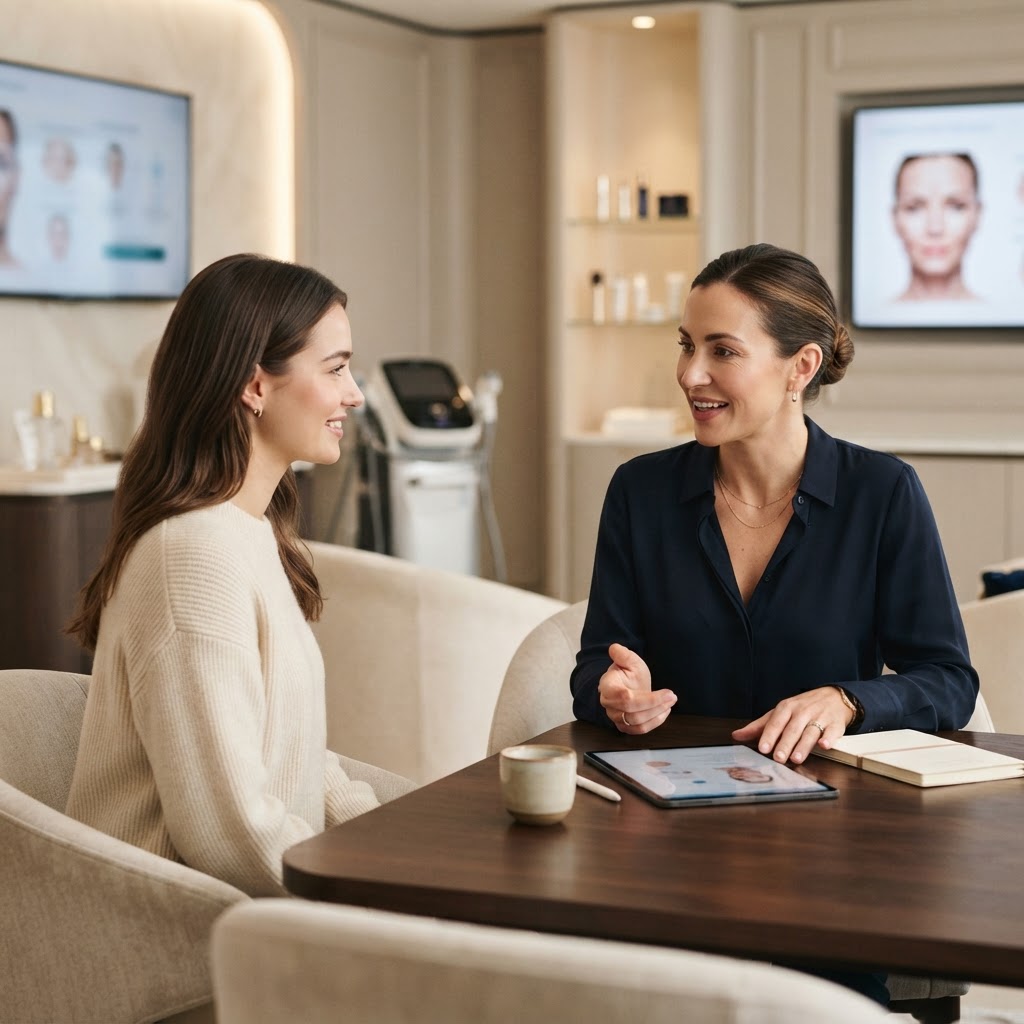
In aesthetic sales, strong communication is often associated with polished explanations and confident recommendations. Yet some of the best consultation outcomes come from a quieter skill: listening. When patients feel heard, they are more likely to share their real concerns, ask honest questions, and engage in a more productive treatment conversation.
Listening in aesthetic sales is not passive. It is an intentional method for uncovering motivation, understanding hesitation, and aligning treatment options with what matters most to the patient. For medspa teams, patient coordinators, and aesthetic consultants, better listening can lead to clearer conversations, stronger trust, and more ethical conversions.
Why Listening Matters in Aesthetic Sales
Aesthetic treatments are personal. Patients are not just purchasing a service, they are considering a change in appearance, confidence, routine, and budget. That means surface level conversations often miss the true reason behind interest or hesitation.
When a coordinator or consultant listens well, several important things happen:
- The patient feels respected rather than sold to.
- Concerns become clearer before objections arise.
- Recommendations can be better matched to stated goals.
- The consultation feels more customized and professional.
- Trust develops more naturally over the course of the conversation.
In a competitive market, technical knowledge matters, but the ability to guide a thoughtful consultation often makes the bigger difference. Teams that prioritize communication skills frequently create a better overall patient experience. For more educational insights, explore the Aesthetic Sales Institute homepage or browse additional resources on the blog.
Listen for Motivation, Not Just Treatment Interest
Many patients begin with a treatment request, but that request is not always the full story. Someone may ask about lip filler, laser services, or skin tightening, yet their deeper motivation could involve an upcoming event, long term confidence, professional visibility, or frustration with a specific concern.
What to listen for
Instead of moving too quickly into features, pricing, or package options, pay attention to cues such as:
- Why the patient started looking now
- What result they are hoping to see
- How long the concern has been bothering them
- What a successful outcome would mean to them personally
- Whether they are comparing options, delaying decisions, or feeling unsure
Practical example
A patient says, "I want to learn about injectable treatments around my cheeks."
A weak response would be to immediately list products, pricing, and appointment availability.
A stronger response is, "Absolutely. Can you share what changes you have been noticing, and what you would ideally like to improve?"
That question invites context. The patient may reveal they are preparing for family photos, feel they look tired on video calls, or want subtle support rather than a dramatic change. That information improves the quality of the entire consultation.
Use Active Listening to Build Trust
Active listening means showing the patient that their words are being received, understood, and valued. This is especially important in aesthetic consultations, where patients may feel vulnerable or uncertain about discussing appearance related concerns.
Key active listening behaviors
Professional listening often includes:
- Maintaining attentive body language
- Avoiding interruptions
- Reflecting back important points
- Asking clarifying questions
- Pausing before responding
- Confirming understanding before making recommendations
These habits make the conversation feel collaborative rather than transactional.
Practical example
A patient says, "I am interested, but I do not want to look overdone."
An active listening response might be: "That makes sense. You want improvement, but you also want it to feel natural and aligned with your features."
This kind of reflection does two things. First, it reassures the patient that you heard the emotional concern behind the statement. Second, it creates an opening for a more relevant treatment conversation.
In many cases, patients do not need a longer explanation right away. They need confirmation that their preferences and boundaries are understood.
Listen for Hesitation Before It Becomes an Objection
One of the most valuable parts of listening in aesthetic sales is recognizing hesitation early. Patients often signal uncertainty before they directly object. If the team misses those signals, the conversation can become reactive and less effective.
Common hesitation cues
Watch for language such as:
- "I am just looking right now."
- "I need to think about it."
- "I have seen mixed results online."
- "I am not sure what I need."
- "I want to keep this subtle."
These are not always rejections. Often, they are invitations for a better conversation.
How to respond professionally
Instead of pushing harder, slow down and ask for clarity:
- "What part would you like to think through more?"
- "What would help you feel more confident in the decision?"
- "Are you weighing timing, budget, or treatment fit?"
- "What outcome feels right for you?"
These questions help uncover the real issue. A patient who says they need to think may actually be worried about downtime, unsure about value, or concerned about whether the treatment will match their aesthetic goals. Listening carefully allows you to respond with relevance rather than pressure.
Turn Listening Into Better Treatment Plan Communication
Good listening should shape how the treatment plan is presented. Once the patient has shared goals, concerns, and preferences, your recommendations should clearly connect back to what they said.
Make the patient feel understood
Before presenting options, summarize what you heard:
"Based on what you shared, you are looking for a refreshed appearance that still feels natural, and you want to be mindful of recovery time and budget."
This kind of summary signals professionalism and creates a smoother transition into education.
Present options with alignment
Then frame recommendations around the patient’s priorities:
- If the patient values subtle results, explain the conservative approach.
- If timing matters, discuss scheduling considerations realistically.
- If budget is a concern, organize options in a clear, respectful way.
- If the patient is new to aesthetics, simplify the conversation and avoid overwhelming detail.
This is where communication becomes more consultative and less sales driven. Ethical treatment plan communication is not about persuading someone into more services. It is about helping them make an informed decision that fits their goals and comfort level.
For additional guidance on consultation quality and team development, visit the Aesthetic Sales Institute and review more articles on the education blog.
Create a Repeatable Listening Process for Your Team
Top performing medspa teams do not rely only on personality. They build consistent consultation behaviors that can be trained, practiced, and measured.
A simple listening framework
Teams can use a practical sequence such as:
- Start with open ended questions.
- Listen without interrupting.
- Reflect the patient’s main concern.
- Clarify priorities, including outcome, timing, and budget.
- Summarize before recommending treatment options.
This process helps newer team members become more confident and helps experienced professionals stay disciplined.
Team coaching ideas
To improve listening across the practice:
- Role play consultations with a focus on asking better follow up questions
- Review call recordings or consultation notes for missed cues
- Train coordinators to identify emotional and practical buying signals
- Evaluate whether treatment recommendations clearly connect to stated patient goals
Listening is a skill, and like any skill, it improves with repetition and feedback.
Common Mistakes That Hurt Consultation Outcomes
Even skilled professionals can weaken the consultation when listening is rushed or inconsistent. Common mistakes include:
Talking too soon
When teams jump into education before understanding the patient, they risk sounding scripted and missing what matters most.
Assuming the request equals the goal
A patient’s initial treatment inquiry is only a starting point. The deeper motivation is what shapes the best conversation.
Interrupting to handle objections early
If a patient raises a concern, let them finish. Cutting in too quickly can make them feel dismissed.
Overloading the patient with information
Too much detail, too early, can create confusion. Listening helps you tailor the amount of information to the patient’s needs.
Treating silence as a problem
A thoughtful pause is not always resistance. Sometimes the patient is processing. Give space before filling every quiet moment.
Action Steps to Improve Listening in Aesthetic Sales
If you want stronger consultations, better patient communication, and more consistent ethical conversions, start with these steps:
1. Ask one more follow up question
Before presenting any treatment option, ask one additional question about goals, concerns, or expectations.
2. Reflect back what you heard
Use a short summary statement to confirm understanding and strengthen trust.
3. Track common hesitation patterns
Have your team document recurring concerns around budget, timing, natural results, or treatment uncertainty.
4. Practice slower consultations
Encourage coordinators and consultants to pause before responding. Better pacing often improves patient comfort.
5. Review consultations for alignment
After key consultations, ask: Did we truly understand the patient before presenting recommendations?
Improving listening does not require a dramatic overhaul. It requires intention, consistency, and a commitment to making the patient feel understood.
Final Thoughts
The most effective aesthetic sales conversations are not built on pressure. They are built on clarity, trust, and alignment. Listening in aesthetic sales helps professionals uncover what patients really want, address hesitation with more precision, and communicate treatment options in a way that feels personal and ethical.
For medspas and aesthetic practices that want stronger consultations, better listening is one of the highest value skills to develop. If you want more training to help your team communicate with confidence and professionalism, join the Aesthetic Sales Institute prelaunch list and get 20% off at launch.