How to Prepare for an Aesthetic Sales Interview
Preparing for an aesthetic sales interview requires more than general sales confidence. You need industry knowledge, ethical communication skills, and a clear understanding of how medspas grow through patient experience.
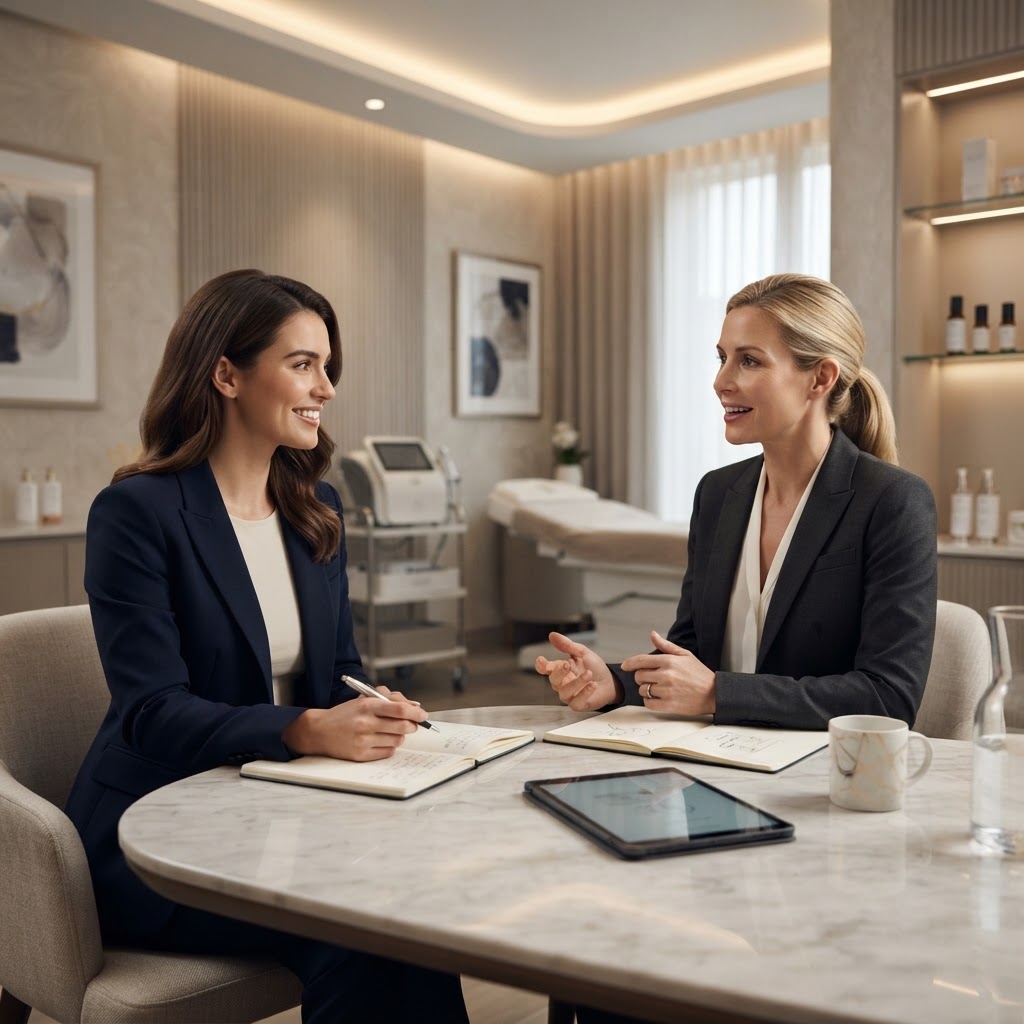
Preparing for an aesthetic sales interview requires more than polished answers and a strong resume. In the aesthetic industry, employers are looking for candidates who understand patient experience, treatment plan communication, ethical sales practices, and the pace of a premium medspa environment. Whether you are interviewing for a patient coordinator, consultation specialist, sales advisor, or business development role, thoughtful preparation can help you present yourself as a credible, high-value professional.
If you are building a long-term career in this space, it helps to study both sales fundamentals and industry-specific expectations. The Aesthetic Sales Institute homepage and our career articles on the blog can help you understand the standards today’s aesthetic employers value most.
Why preparing well for this interview matters
Aesthetic practices do not hire sales professionals simply to sell more. They hire people who can create trust, guide prospective patients through decisions responsibly, support practice goals, and protect the overall brand experience. In a medspa or aesthetic practice, sales happens in a sensitive context where appearance, confidence, budget, and expectations all intersect.
That means your interview is not just about proving you can close. It is about showing that you can:
- communicate with professionalism and empathy
- understand premium service standards
- balance revenue goals with patient-centered ethics
- handle objections without pressure
- represent the practice with maturity and discretion
Strong preparation signals that you take the role seriously and that you understand the difference between generic sales and aesthetic sales.
Understand the role before you walk into the interview
One of the most common mistakes candidates make is assuming every aesthetic sales role is the same. In reality, responsibilities vary widely by business model.
Know the likely job scope
Read the job description carefully and identify whether the role is focused on:
- inbound consultation conversion
- treatment plan presentation
- follow-up and rebooking
- membership or package sales
- front desk to consultation handoff
- outbound lead nurturing
- provider support and schedule optimization
- device, skincare, or B2B territory sales
A medspa consultation coordinator may be judged on booking conversion, show rates, and patient communication. A practice sales advisor may be expected to discuss financing, packages, and retention. A field-based aesthetic sales role may require territory planning, account development, and comfort speaking with providers.
Learn how success is measured
Before your interview, try to understand what metrics matter in the role. Examples include:
- consultation-to-treatment conversion rate
- average transaction value
- package acceptance rate
- lead response time
- retention or rebooking rate
- membership enrollment
- call quality and patient satisfaction
When you speak the language of performance, you sound more prepared and more aligned with the business.
Research the practice, brand, and patient journey
A strong candidate does not show up with generic enthusiasm. They show up informed.
Study the employer’s positioning
Review the company website, social channels, reviews, and service menu. Pay attention to:
- treatment categories offered
- luxury or value positioning
- tone of the brand
- target patient demographic
- before and after content style
- consultation flow, if described
- memberships, packages, or financing options
Ask yourself, what kind of patient experience is this practice trying to create? A high-end facial aesthetics clinic may prioritize discretion and long-term relationships. A fast-growth medspa may prioritize responsiveness, follow-up systems, and sales consistency across locations.
Understand the patient journey
In an aesthetic setting, sales is usually part of a broader journey:
- lead inquiry
- first contact
- consultation
- treatment recommendation
- decision support
- booking or follow-up
- retention and referrals
If you can speak to this journey in your interview, you immediately sound more credible.
Practical example
Instead of saying, “I am great with clients,” say:
“I noticed your practice emphasizes customized treatment plans and a premium patient experience. In a role like this, I would focus on quick response time, clear consultation preparation, and thoughtful follow-up so each prospective patient feels informed rather than pressured.”
That answer is specific, observant, and aligned with the industry.
Prepare answers that show both sales skill and emotional intelligence
Your interviewer will likely assess how you think, how you communicate, and how you handle nuance.
Build a core interview story
Prepare a concise narrative that explains:
- why you are interested in aesthetic sales
- what sales or client-facing experience you bring
- what makes you effective in a premium service environment
- how you approach trust, communication, and follow-up
Keep it focused. Avoid overly personal tangents or generic claims like “I love beauty.” Employers want to hear how your background connects to patient communication, customer experience, and results.
Expect common interview questions
Prepare thoughtful responses to questions such as:
- Why do you want to work in aesthetics?
- How do you handle objections?
- How do you balance sales goals with ethics?
- How do you follow up with undecided leads?
- Describe a time you improved conversion or client satisfaction.
- How would you handle a prospective patient who is nervous about cost?
Practical example answer structure
If asked about objections, a strong framework is:
- acknowledge the concern
- ask clarifying questions
- educate within your role
- offer options, not pressure
- confirm next steps
Sample response:
“When a prospective patient hesitates, I first try to understand the reason. If the concern is timing, budget, or uncertainty, I would slow the conversation down, clarify priorities, and help them understand available options. My goal is not to force a decision, but to support an informed next step while maintaining the relationship.”
That communicates maturity, restraint, and professionalism.
Show that you understand ethical sales in aesthetics
This is one of the most important parts of any aesthetic sales interview. Employers want team members who can help grow revenue without creating discomfort, mistrust, or unrealistic expectations.
Know your boundaries
Depending on the role, you may not be the person diagnosing, prescribing, or making clinical recommendations. You should be ready to explain that you understand the difference between:
- educating versus diagnosing
- guiding versus pressuring
- presenting value versus making guarantees
- supporting provider recommendations versus improvising clinical advice
Demonstrate a patient-centered mindset
Ethical sales language sounds like:
- “I would help the patient understand the recommended plan.”
- “I would reinforce the provider’s guidance, not replace it.”
- “I would focus on fit, readiness, and realistic expectations.”
- “I believe long-term trust matters more than a rushed yes.”
This approach is especially important in medspa interviews, where reputation and retention often matter as much as first-visit revenue.
For more guidance on building an ethical career path in the industry, you can explore additional resources on our aesthetic sales blog.
Practice your communication, presence, and questions
In many aesthetic roles, your communication style is part of your qualification. Interviewers are evaluating whether they can trust you in front of patients or high-value leads.
Refine how you present yourself
Aim for communication that is:
- polished but warm
- confident but not pushy
- articulate and concise
- service-oriented
- emotionally intelligent
Your interview tone should reflect the environment you want to work in. Premium practices usually value composure, professionalism, and attention to detail.
Bring smart questions
The questions you ask can separate you from average candidates. Consider asking:
- How is success measured in this role?
- What does your consultation process look like today?
- What are the most common reasons prospective patients do not convert?
- How do providers and sales team members collaborate?
- What kind of onboarding or training supports this role?
These questions show business awareness and a genuine interest in performance.
Practical example
If asked to role-play a consultation scenario, avoid jumping straight into a pitch. Start with discovery:
“Before discussing options, I would want to understand what brought the patient in, what their goals are, and what questions they already have. That helps create a more personalized and respectful conversation.”
Common mistakes candidates make
Even strong applicants can weaken their interview by making avoidable errors.
Mistake 1: Being too generic
Statements like “I am a people person” or “I can sell anything” do not carry much weight in aesthetics. Use examples tied to service, consultation, follow-up, and trust.
Mistake 2: Sounding overly aggressive
Hard-close language can be a red flag in a medspa setting. Employers often prefer candidates who can convert with professionalism, not pressure.
Mistake 3: Lacking industry knowledge
If you cannot speak intelligently about the practice, the patient journey, or the consultation process, you may appear underprepared.
Mistake 4: Ignoring ethics and compliance
Do not suggest that you would say anything necessary to make a sale. In this industry, credibility matters.
Mistake 5: Failing to prepare examples
Be ready with short stories that demonstrate communication skill, objection handling, follow-up discipline, teamwork, and measurable impact.
Action steps before your interview
Use this checklist to prepare for your next aesthetic sales interview:
1. Research the employer deeply
Review the website, service menu, reviews, and social presence.
2. Match your experience to the role
Identify 3 to 5 examples from your background that connect directly to consultation, conversion, retention, or client experience.
3. Practice key interview answers
Rehearse out loud so your answers sound natural, concise, and confident.
4. Prepare one ethical sales example
Think of a situation where you prioritized trust, education, or long-term relationship value over a rushed sale.
5. Build a strong question list
Bring at least 4 thoughtful questions about expectations, process, team collaboration, and training.
6. Present yourself like the role already belongs to you
Dress appropriately for a premium aesthetic environment, arrive organized, and communicate with calm professionalism.
Final thoughts
Success in an aesthetic sales interview comes from showing more than enthusiasm. You need to demonstrate business awareness, patient-centered communication, ethical judgment, and readiness for the standards of a premium medspa or aesthetic practice. When you prepare with intention, you position yourself as someone who can contribute to both growth and experience.
If you want to build your skills in this field, join the Aesthetic Sales Institute prelaunch list and get 20% off at launch. It is the best way to stay informed, strengthen your career foundation, and prepare for high-level opportunities in aesthetic sales.