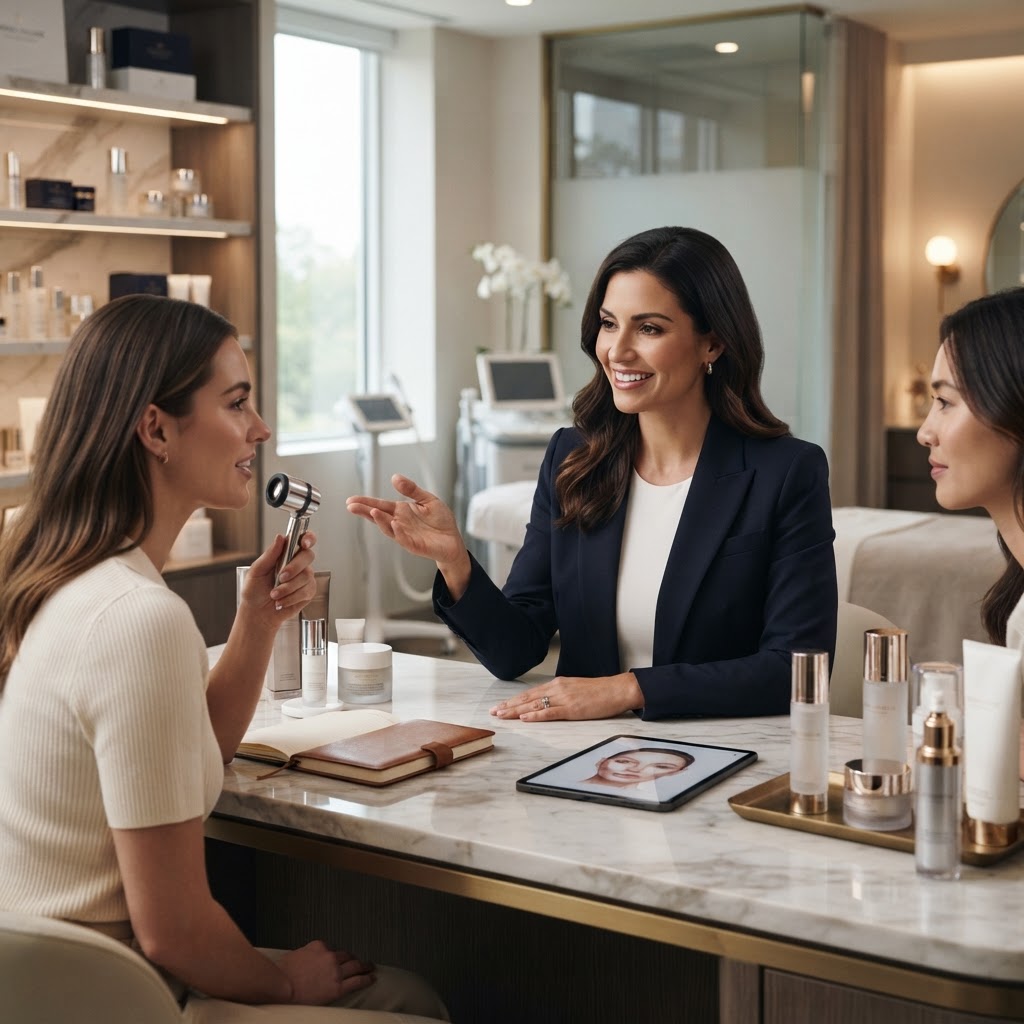
How to Sell Aesthetic Memberships Ethically
Ethical membership sales can strengthen retention, improve the client experience, and support sustainable medspa growth. Learn how to sell aesthetic memberships with clarity, trust, and professionalism.

Aesthetic memberships can be valuable for both clients and practices when they are positioned correctly. Done well, they create continuity, support treatment planning, and make ongoing aesthetic care feel more accessible and organized. Done poorly, they can feel pushy, confusing, or misaligned with the client’s goals. That is why learning how to sell aesthetic memberships ethically matters for every medspa team.
In a premium aesthetic environment, membership sales should never rely on pressure. They should come from education, transparency, and a clear connection between the client’s needs and the structure of the program. Ethical selling protects trust, improves retention, and helps practices grow in a way that aligns with a strong brand reputation.
Why Ethical Membership Sales Matter
Memberships are not just a revenue tool. They are a client commitment tool. When a client enrolls in a membership, they are agreeing to an ongoing relationship with your practice. That decision should feel informed, comfortable, and beneficial.
When teams focus only on numbers, they often create resistance. Clients may feel they are being sold into a payment plan they do not fully understand. This can lead to cancellations, dissatisfaction, and weaker long term loyalty. By contrast, when teams build a stronger sales foundation rooted in education and trust, memberships become easier to present and easier for the right clients to accept.
Ethical membership selling also supports operational health. Clients who understand what they are buying are more likely to use their benefits, stay engaged, and continue care appropriately. That leads to better retention, more predictable recurring revenue, and a more professional client experience.
Start With Client Fit, Not the Offer
The first step to sell aesthetic memberships ethically is to determine whether the membership is truly a fit. Not every client needs one, and not every treatment journey makes sense inside a recurring program.
Identify patterns in client goals
Memberships are best for clients who value consistency. Examples include clients interested in regular skin maintenance, recurring injectable visits within an appropriate timeline, or a structured approach to long term aesthetic care. If the client’s goals are occasional or highly uncertain, a membership may not be the best recommendation.
Ask better consultation questions
Rather than introducing the membership immediately, explore the client’s priorities first. Useful questions include:
- How often do you typically invest in aesthetic treatments?
- Are you looking for a one time treatment, or ongoing maintenance?
- Do you prefer a structured plan, or more flexibility?
- What would make continuing care easier for you?
These questions help uncover whether the membership solves a real need. Ethical selling starts with listening.
Position the membership as an option
A membership should be presented as one appropriate path, not the default outcome of every consultation. This keeps the conversation professional and client centered. Teams that consistently frame memberships as optional and strategic tend to create more trust than teams that treat them like a script requirement.
Lead With Clarity and Transparency
One of the biggest reasons clients hesitate around memberships is confusion. If they do not understand billing, benefits, exclusions, rollover rules, or cancellation terms, they may say yes in the moment and regret it later.
Explain the structure simply
Use straightforward language. Outline:
- Monthly or annual cost
- Included benefits
- Expiration or usage rules
- Minimum commitment period
- Cancellation terms
- Any limitations or exclusions
Avoid vague phrasing like “it basically pays for itself” or “everyone does it.” Premium sales communication is specific, calm, and factual.
Connect features to outcomes
Clients do not buy memberships just because they include discounts or perks. They buy because those benefits support their goals. For example, instead of saying, “You get 10 percent off services,” say, “If you are planning regular maintenance facials and skin care, this membership can help you stay consistent while simplifying your monthly investment.”
Encourage informed decisions
Ethical teams welcome thoughtful questions. If a client needs time to review the details, give them space. A well designed membership should stand up to consideration. This is especially important in medical aesthetics, where clients may already feel vulnerable or overwhelmed by information.
For more educational resources on premium client communication, readers can explore the latest insights on the blog.
Align Memberships With Treatment Planning
The strongest membership conversations happen when the program supports a realistic treatment plan. Instead of presenting the membership in isolation, integrate it into the client’s broader care strategy.
Use a maintenance framework
If a client’s goals involve ongoing skin health, prevention, or staged aesthetic improvement, explain how consistency supports those outcomes. Then show where the membership fits. For example:
- Monthly skin treatments to maintain progress
- Regular product replenishment for home care adherence
- Planned provider follow ups within an appropriate timeline
This approach helps the client see the membership as a practical tool, not just a financial product.
Avoid forcing a treatment plan to justify a membership
Ethical selling means the treatment plan comes first. If a client’s needs do not naturally align with recurring visits or included services, do not stretch the recommendation just to increase enrollment. Short term numbers are never worth long term trust.
Practical example
A client comes in for a consultation focused on improving texture, brightness, and overall skin maintenance. They mention wanting a long term plan and prefer predictable monthly spending. In this case, a membership that includes monthly skin services, select product savings, and access to ongoing planning may be highly relevant.
By contrast, a client who wants one treatment before a special event and has no interest in regular maintenance may be better served by a standalone recommendation.
Train the Team to Educate, Not Pressure
If your goal is to sell aesthetic memberships consistently, your team needs more than a script. They need consultative sales skills, confidence, and ethical communication standards.
Standardize the message
Every coordinator, consultant, and provider should explain the membership with similar language and expectations. Inconsistent messaging creates confusion and erodes trust. Document key talking points, ideal client profiles, and appropriate objections handling.
Role play common scenarios
Practice responses to questions such as:
- What if I do not use all my benefits?
- Can I cancel anytime?
- How do I know this is worth it for me?
- Is this better than paying as I go?
When teams are prepared, they are less likely to resort to pressure or filler language.
Build confidence through education
Teams who understand membership economics, client psychology, and treatment planning can present programs more naturally. A strong training culture improves both ethics and performance. Practices looking to elevate this skill set can learn more about professional sales training.
Present Value Without Creating Pressure
Many medspa teams confuse urgency with persuasion. Ethical urgency is based on real deadlines or legitimate launch periods. Manipulative urgency relies on fear, discomfort, or exaggerated scarcity.
Use calm, premium language
Try phrases like:
- “Based on your goals, this may be a helpful option to consider.”
- “If consistency is important to you, this program can make that easier.”
- “Let’s compare the membership with your pay as you go option so you can decide what fits best.”
This style respects autonomy while still guiding the client.
Offer comparisons
A side by side comparison can be very effective. Show what the client would likely spend with and without the membership, based on realistic usage. This keeps the conversation practical and transparent.
Let the client choose
The goal is not to close every client. The goal is to help the right clients make the right decision. Ethical sales professionals understand that a thoughtful no today can still preserve trust and lead to future yes decisions.
Common Mistakes to Avoid
Even well intentioned teams can undermine membership sales by using the wrong approach. Watch for these common mistakes:
Leading with price instead of relevance
Starting with cost before establishing fit can make the conversation feel transactional.
Overselling savings
If the only value proposition is a discount, the membership may feel shallow or interchangeable.
Glossing over terms
Unclear cancellation, renewal, or expiration policies create friction later.
Recommending memberships to everyone
Blanket offers reduce credibility and make clients feel processed rather than advised.
Using pressure language
Statements like “You need to sign up today” or “Most people regret not doing this” can damage trust quickly.
Action Steps for Medspa Teams
To improve how you sell aesthetic memberships, focus on these practical next steps:
Audit your current membership presentation
Review how your team currently explains the offer. Is the language clear, ethical, and consistent?
Define the ideal membership client
Create simple criteria for who benefits most from your program.
Build a consultation flow
Place the membership conversation after discovery and treatment planning, not before.
Create a comparison tool
Give clients an easy way to evaluate membership versus pay as you go options.
Train through role play
Practice objection handling, value communication, and transparent explanations regularly.
Final Thoughts
To sell aesthetic memberships ethically, teams must shift from persuasion to guidance. The best membership sales happen when clients feel understood, informed, and respected. In a premium medspa environment, that standard is not optional. It is part of the brand experience.
Ethical membership selling supports retention, strengthens trust, and creates more sustainable growth over time. When your team leads with consultation, transparency, and alignment, memberships become a meaningful service solution rather than a pressured add on.
If you want to sharpen your team’s ethical sales approach, join the Aesthetic Sales Institute prelaunch list and get 20% off at launch. Visit the Aesthetic Sales Institute homepage to stay connected and explore more resources.