How to Sell Skincare Without Feeling Pushy
Selling skincare does not have to feel uncomfortable. With the right consultation approach, medspa teams can recommend products ethically, confidently, and in a way that supports patient trust.
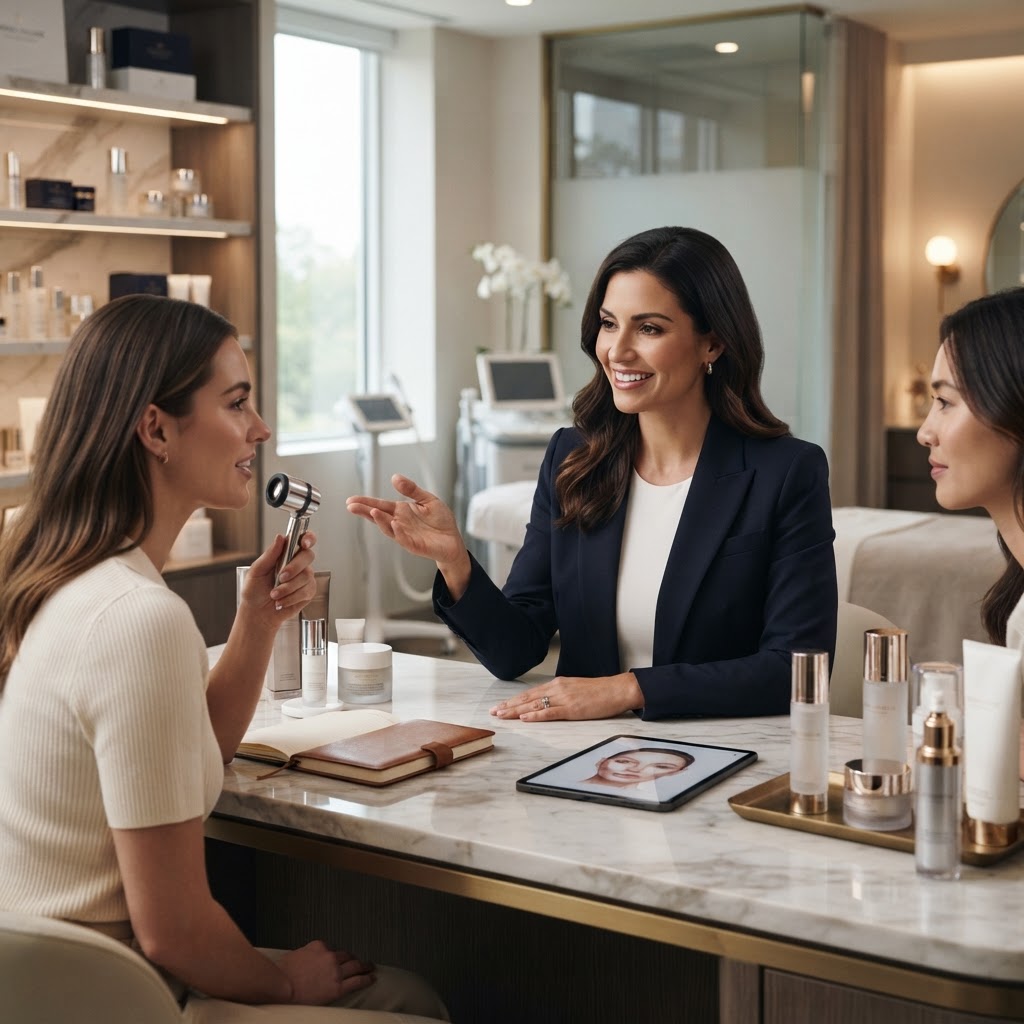
Recommending skincare should feel like patient guidance, not pressure. In a medspa or aesthetic practice, skincare is often one of the most practical ways to support treatment outcomes, maintain results, and help patients build consistency at home. Still, many providers, coordinators, and front desk team members hesitate to bring it up because they do not want to sound salesy.
The good news is that you can sell skincare without being pushy when your approach is rooted in education, relevance, and trust. Patients are usually not resistant to skincare itself. They are resistant to feeling sold to. When your recommendation is clearly connected to their goals, their treatment plan, and their daily routine, the conversation becomes more natural and more valuable.
If your team is working to improve ethical revenue conversations, explore the resources on the Aesthetic Sales Institute homepage and browse more training insights on the blog.
Why This Matters in Aesthetic Sales
Skincare is not just an add on. In many practices, it is an important part of the patient journey. It can help reinforce professional treatments, support continuity between visits, and create a more complete experience. When teams avoid skincare conversations altogether, patients may leave without the tools they need to care for their skin at home.
There is also a business reality. Retail revenue can strengthen practice performance, but only when it is built on trust. Short term pressure may create a quick sale, but it can also damage long term loyalty. Ethical skincare recommendations, on the other hand, can improve patient satisfaction and increase confidence in the practice.
The most successful aesthetic sales professionals understand this balance. They do not push products. They connect solutions to patient goals and communicate with clarity.
Start With the Patient Goal, Not the Product
One of the biggest reasons skincare recommendations feel awkward is that the conversation starts with inventory instead of patient needs. If the first thought is, "What can I sell today?" the interaction can quickly sound transactional.
A stronger approach is to begin with the patient goal.
Ask Better Discovery Questions
Before recommending anything, learn what the patient wants and what they are already doing.
Useful questions include:
- What are your top skin concerns right now?
- What have you tried before?
- What does your current routine look like?
- How much time do you realistically want to spend on skincare each day?
- What result are you hoping to maintain or improve after treatment?
These questions do two things. First, they make the patient feel heard. Second, they give you the context needed to make a relevant recommendation.
Position Skincare as Support
When you tie skincare to the patient goal, the product stops being a separate sale. It becomes part of the plan.
For example:
- "You mentioned that pigment is your main concern. A targeted homecare routine can help support what we are doing in clinic."
- "Since you want to maintain your post treatment glow, this is the type of product that can help support consistency between visits."
This language feels consultative because it is consultative.
Educate, Do Not Pitch
Patients are more likely to say yes when they understand why a product matters. Education builds confidence, while a pitch creates resistance.
Explain the Purpose in Simple Terms
You do not need a long script or technical jargon. You need clarity.
Instead of saying:
- "This is one of our best sellers."
Try saying:
- "This cleanser is a good fit if your skin feels reactive, because it helps cleanse without leaving you feeling stripped."
Instead of saying:
- "You should really buy the full line."
Try saying:
- "If we keep it simple, I would start with the two products most aligned with your goals."
Simple, specific explanations reduce pressure and increase trust.
Focus on Fit, Not Volume
Ethical recommendation does not mean recommending more. It means recommending what fits.
In many cases, a patient does not need a full regimen on day one. They may be better served by one or two core products they will actually use consistently. Recommending less can often increase conversion because it feels honest and manageable.
This is one of the most effective ways to sell skincare without being pushy. Patients can sense when a recommendation is tailored versus inflated.
Make the Conversation Part of the Consultation
Skincare should not appear at the very end of the visit as an unexpected checkout add on. When it only comes up during payment, it can feel abrupt and sales driven.
Introduce Homecare Early
Bring up homecare during the consultation, not just at the register.
For example:
- "As we talk through treatment options, we should also look at what you are using at home, because that can affect your results."
- "Part of your plan may include a few homecare adjustments so you can maintain progress between appointments."
This sets the expectation that skincare is part of the professional recommendation, not a last minute upsell.
Reinforce at Checkout With Consistency
If the provider, coordinator, and front desk all communicate the same message, patients feel more confident. Consistency matters.
A coordinated handoff might sound like this:
- Provider: "I recommend starting with these two products based on your sensitivity and hydration goals."
- Coordinator: "Let me show you the exact products discussed and how to use them in a simple routine."
- Front desk: "We have those ready for you, and if you have questions after you start, our team can help."
This creates a seamless experience rather than a pressured close.
Use Permission Based Language
One of the most effective communication shifts in aesthetic sales is asking permission. Permission based language lowers defenses and keeps the conversation respectful.
Examples of Low Pressure Phrasing
Try phrases like:
- "Would it be helpful if I showed you two options that align with your goals?"
- "Are you open to a simple homecare recommendation to support your treatment plan?"
- "Would you like me to explain which product matters most, if you prefer to start small?"
This approach gives the patient control. Control reduces pressure. It also keeps the conversation collaborative.
Give Patients a Clear, Calm Next Step
People often feel overwhelmed by too many options. Confidence increases when the next step is clear.
For example:
- "If you want the most essential place to start, begin with sunscreen and the corrective serum we discussed."
- "If now is not the right time for the full routine, we can prioritize one product and build from there."
A patient who says not today may still come back later, especially if they felt respected.
Practical Examples in a Medspa Setting
Here are a few examples of how this can look in real conversations.
Example 1: Post Treatment Support
A patient books a series of corrective treatments for texture and tone. Instead of waiting until checkout, the provider explains during the consultation that homecare can help support the plan. The coordinator then recommends a gentle cleanser, daily SPF, and one targeted corrective product.
Why it works: The recommendation is connected to the treatment plan and introduced as support, not as a separate sale.
Example 2: New Patient With a Complicated Routine
A patient arrives using seven products from multiple brands and feels confused. Rather than suggesting an entire replacement routine, the team identifies two products that may be creating irritation and recommends a simpler approach.
Why it works: The recommendation reduces complexity and shows restraint, which builds trust.
Example 3: Budget Conscious Patient
A patient is interested in results but hesitant about cost. The coordinator acknowledges that concern and says, "Let us prioritize the most important product for your goal, so you can start with what will make the most sense for you."
Why it works: The conversation remains supportive and realistic, not all or nothing.
For more strategies on ethical communication and conversion, visit the Aesthetic Sales Institute homepage or read additional insights on the blog.
Common Mistakes That Make Skincare Feel Pushy
Even skilled teams can unintentionally create pressure. Watch for these common issues.
Recommending Too Much at Once
A long product list can feel overwhelming and self serving. Simplicity often sells better.
Leading With Promotions Instead of Relevance
Discounts can be helpful, but if the first message is about a special offer instead of patient need, trust can drop.
Using Generic Scripts
Patients notice when the same skincare pitch is repeated regardless of concern, budget, or treatment plan.
Saving the Entire Conversation for Checkout
Late stage recommendations often feel transactional. Integrate homecare earlier.
Talking More Than Listening
When the team does all the talking, it is harder to uncover what the patient actually needs or values.
Action Steps for Medspa Teams
If you want to improve skincare conversations without increasing pressure, start here.
1. Audit Your Current Language
Listen to how your team currently introduces skincare. Does it sound educational and patient centered, or abrupt and promotional?
2. Build a Simple Recommendation Framework
Use a consistent flow:
- identify the patient goal
- ask about current routine
- connect homecare to treatment plan
- recommend the smallest effective starting point
- explain how to use it simply
3. Train for Confidence, Not Scripts Alone
Teams need product knowledge, but they also need communication skills. Confidence comes from knowing how to ask questions, explain relevance, and handle hesitation ethically.
4. Create Tiered Recommendations
Prepare good, better, and best starting points based on patient goals and readiness. This helps teams stay flexible without sounding pushy.
5. Track Trust Building Behaviors
Measure more than retail totals. Pay attention to repeat purchases, patient satisfaction, and how often patients follow through on professional recommendations.
Final Thoughts
If you want to sell skincare without being pushy, the key is simple: make the conversation about the patient, not the product. In aesthetic sales, trust is the foundation of every recommendation. When skincare is introduced as a relevant part of the patient journey, explained clearly, and offered with respect, it stops feeling like pressure and starts feeling like professional guidance.
Teams that master this approach do more than improve retail performance. They strengthen the patient experience, support treatment outcomes, and build long term loyalty in a way that aligns with premium, ethical care.
If you want to elevate your team's consultation and retail communication skills, join the Aesthetic Sales Institute prelaunch list and get 20% off at launch. Visit the homepage to learn more and stay connected.