How to Handle Comparison Shopping in Aesthetic Sales
Comparison shopping is common in medspas, but it does not have to derail the consultation. Learn ethical, practical ways to respond with confidence, protect value, and improve conversion.
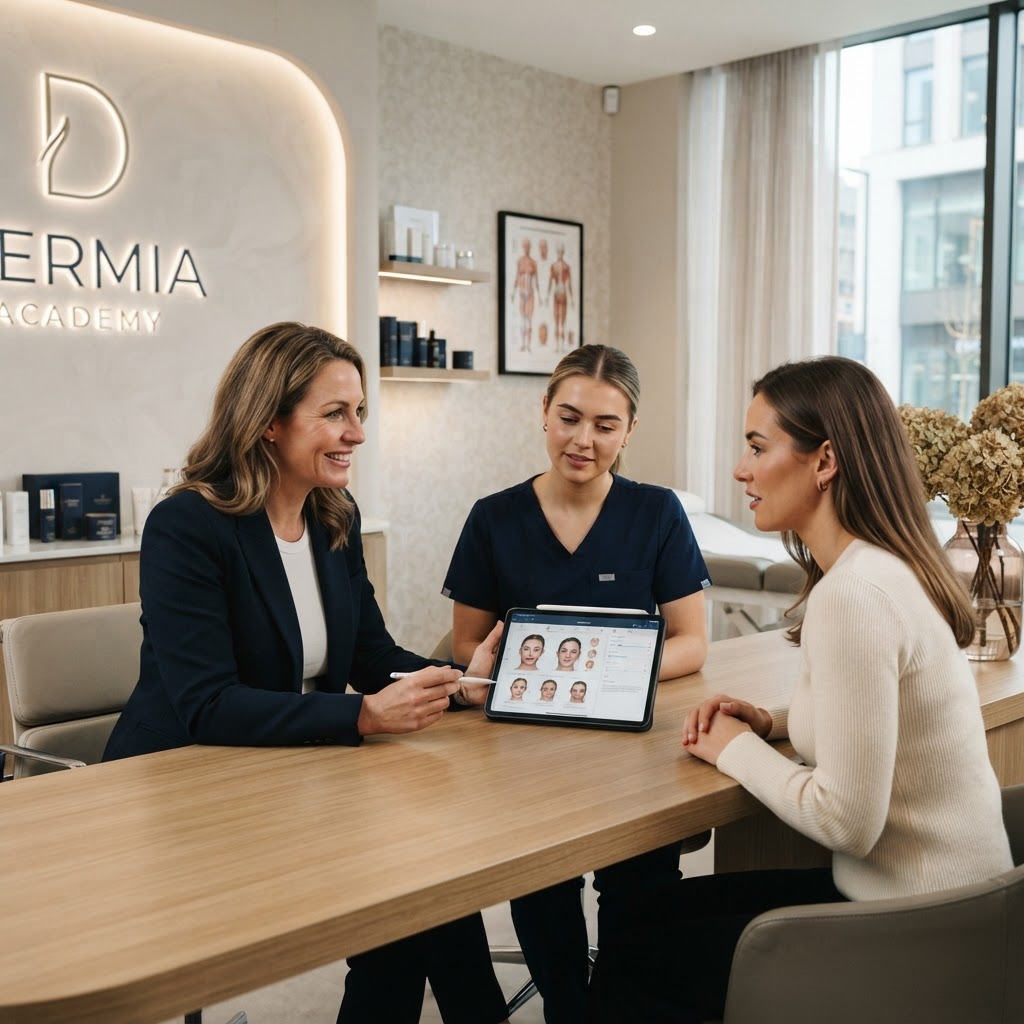
Comparison shopping is a normal part of the modern aesthetic patient journey. Prospects often explore multiple providers, compare pricing online, read reviews, and evaluate the overall experience before deciding where to book. For medspa teams and aesthetic sales professionals, this can feel like a pricing objection, but in many cases it is actually a trust and clarity issue.
When handled well, comparison shopping can become an opportunity to strengthen credibility, communicate value, and guide patients toward a confident decision. The goal is not to pressure someone into booking. The goal is to help them understand what they are truly comparing, and why the quality of the consultation, treatment plan, provider expertise, and patient experience all matter. Teams that want stronger consultation outcomes can benefit from consistent training, structured communication, and a clear value-based approach. Resources like the Aesthetic Sales Institute homepage and the latest insights on the ASI blog can support that process.
Why comparison shopping matters in aesthetic consultations
In aesthetic sales, comparison shopping is rarely just about finding the lowest price. Patients are evaluating perceived safety, results, expertise, convenience, and emotional confidence. If a team responds only by defending price, they may miss the deeper concern behind the question.
A patient comparing three providers may be asking:
- Who will understand my goals best?
- Which practice feels most trustworthy?
- What exactly am I getting for the investment?
- How do I know the recommendation is right for me?
- Why are prices different between practices?
This matters because aesthetic services are both personal and elective. Patients are making decisions that affect appearance, confidence, and budget. A rushed or transactional response can create hesitation. A thoughtful response can create reassurance.
For premium practices, handling comparison shopping well is also essential to protecting brand positioning. Discounting too quickly can reduce perceived value and train patients to shop only on price. A more effective strategy is to create clarity around outcomes, customization, support, and standards of care.
Understand what the patient is actually comparing
Before offering explanations, ask better questions. Comparison shopping often sounds like a price concern, but the real issue may be uncertainty.
Ask discovery questions first
Instead of responding defensively, invite the patient to share more. Useful questions include:
- What have you seen so far in your research?
- What differences have stood out to you between providers?
- What is most important to you as you make this decision?
- Are you comparing treatment recommendations, pricing, or overall experience?
These questions shift the conversation from reaction to discovery. They also help the coordinator, consultant, or provider understand whether the patient is focused on budget, safety, credentials, treatment plan design, or convenience.
Clarify apples-to-oranges comparisons
Many patients assume they are comparing identical services when they are not. In aesthetics, pricing can vary because of:
- Provider level and experience
- Product quality and quantity
- Technology used
- Treatment customization
- Consultation depth
- Follow-up care and support
- Practice environment and patient experience
An ethical sales conversation helps the patient understand these variables without criticizing competitors. The tone should remain professional and educational.
Lead with value, not price defense
When a prospect says, "Another medspa is cheaper," the instinct may be to justify your fees immediately. A better approach is to explain value in a clear, patient-centered way.
Describe what is included
Patients often feel more comfortable when they understand the full scope of the experience. Explain what your consultation and treatment process includes, such as:
- A customized assessment of goals and concerns
- A treatment plan based on anatomy, timeline, and priorities
- Education on realistic options and sequencing
- Pre and post-treatment guidance
- Follow-up support
This reframes the decision. The patient is not simply buying syringes, sessions, or minutes on a schedule. They are investing in a professional process designed around their goals.
Connect value to patient outcomes
Without making guarantees, speak to the importance of thoughtful planning and appropriate recommendations. For example:
"When patients compare options, we encourage them to look at more than the starting price. The quality of the assessment, the level of customization, and the overall treatment plan can make a meaningful difference in the experience."
This kind of language is calm, ethical, and confidence-building.
Use consultation structure to reduce shopping behavior
One reason comparison shopping continues after a consultation is that the patient leaves with unanswered questions. A strong consultation process can reduce the need to keep searching.
Create clarity during the consultation
Patients are more likely to move forward when they understand:
- What is being recommended
- Why it is being recommended
- What the priority should be
- What timeline makes sense
- What investment range to expect
Confusion creates hesitation. Clarity builds confidence.
Present options without overwhelming
In many medspas, teams unintentionally increase comparison shopping by overloading patients with too many treatment choices. Instead, organize recommendations into a simple structure, such as:
- Best starting option
- Alternative option
- Long-term treatment plan
This gives the patient direction while still respecting autonomy. It also positions the practice as an advisor, not just a seller.
Reinforce the experience after the visit
Follow-up matters. A concise, professional recap can help the patient remember the value of your consultation. Consider sending a summary that includes the recommended plan, estimated investment, and next steps. This reduces the chances that the patient remembers only the price and forgets the strategy behind it.
For more consultation strategy insights, readers can explore the latest training articles or visit the Aesthetic Sales Institute for resources built specifically for aesthetic teams.
Practical examples of effective responses
Below are examples of how to respond when patients bring up comparison shopping.
Example 1: The price comparison question
Patient: "I found the same treatment for less somewhere else."
Recommended response:
"That makes sense, and many patients compare options before deciding. One important thing to look at is what is included in the recommendation, the level of customization, and the support surrounding the treatment. If it helps, I can walk you through exactly how our approach is structured so you can make a well-informed comparison."
Why it works: It validates the patient, avoids defensiveness, and shifts the focus to informed decision-making.
Example 2: The uncertain patient
Patient: "I am still shopping around."
Recommended response:
"Absolutely, this is an important decision. As you compare, I would encourage you to look at the experience of the team, how clearly the plan was explained, and whether the recommendation feels tailored to your goals. If you would like, we can review any remaining questions so you feel more confident about your options."
Why it works: It respects the patient while reinforcing key value drivers.
Example 3: The discount request
Patient: "Can you match another provider's price?"
Recommended response:
"We focus on delivering a high standard of care and a personalized treatment experience, so we do not position our recommendations around price matching. What we can do is help you prioritize your goals and discuss the best starting point within your budget."
Why it works: It protects premium positioning while still being collaborative.
Common mistakes medspa teams should avoid
Even experienced teams can mishandle comparison shopping. These are some of the most common issues.
Dropping price too quickly
Immediate discounting can weaken trust and reduce perceived value. It suggests the original price was flexible without explanation.
Criticizing competitors
Speaking negatively about other providers often backfires. It can make the practice appear insecure or unprofessional.
Talking too much, listening too little
If the team assumes the issue is price without asking questions, they may miss the patient's real concern.
Overcomplicating the explanation
Too much technical detail can overwhelm the patient. Keep the conversation focused on what matters most to their decision.
Failing to follow up
A patient who comparison shops may still be highly interested. Without a strong follow-up process, qualified opportunities can be lost unnecessarily.
Action steps for handling comparison shopping with confidence
To improve performance in this area, medspa teams can implement a few practical habits.
Standardize key talking points
Create a shared, ethical language for discussing value, customization, and treatment planning. This keeps the patient experience consistent across the team.
Train for objection handling
Role play common scenarios so coordinators, consultants, and providers can respond calmly and professionally.
Audit the consultation experience
Review whether patients are leaving with clear recommendations, investment expectations, and next steps. If not, comparison shopping may increase after the visit.
Strengthen follow-up communication
Use follow-up messages to reinforce clarity, not pressure. Summaries, FAQs, and invitation-based next steps are often more effective than repeated check-ins.
Measure patterns
Track how often prospects cite price comparisons, where in the process those objections arise, and which responses lead to better outcomes. This turns anecdotal challenges into trainable data.
Final thoughts
Comparison shopping in aesthetic sales is not a problem to fear. It is a signal that patients are trying to make a careful decision. When medspa teams respond with professionalism, curiosity, and structure, they can turn those moments into stronger trust and better consultations.
The most effective approach is not to race to the lowest price. It is to help the patient understand value, feel informed, and see the difference between a transactional offer and a well-designed aesthetic experience.
If you want to elevate how your team handles consultations, objections, and patient decision-making, join the Aesthetic Sales Institute prelaunch list and get 20% off at launch. Visit the Aesthetic Sales Institute homepage to learn more and stay updated.