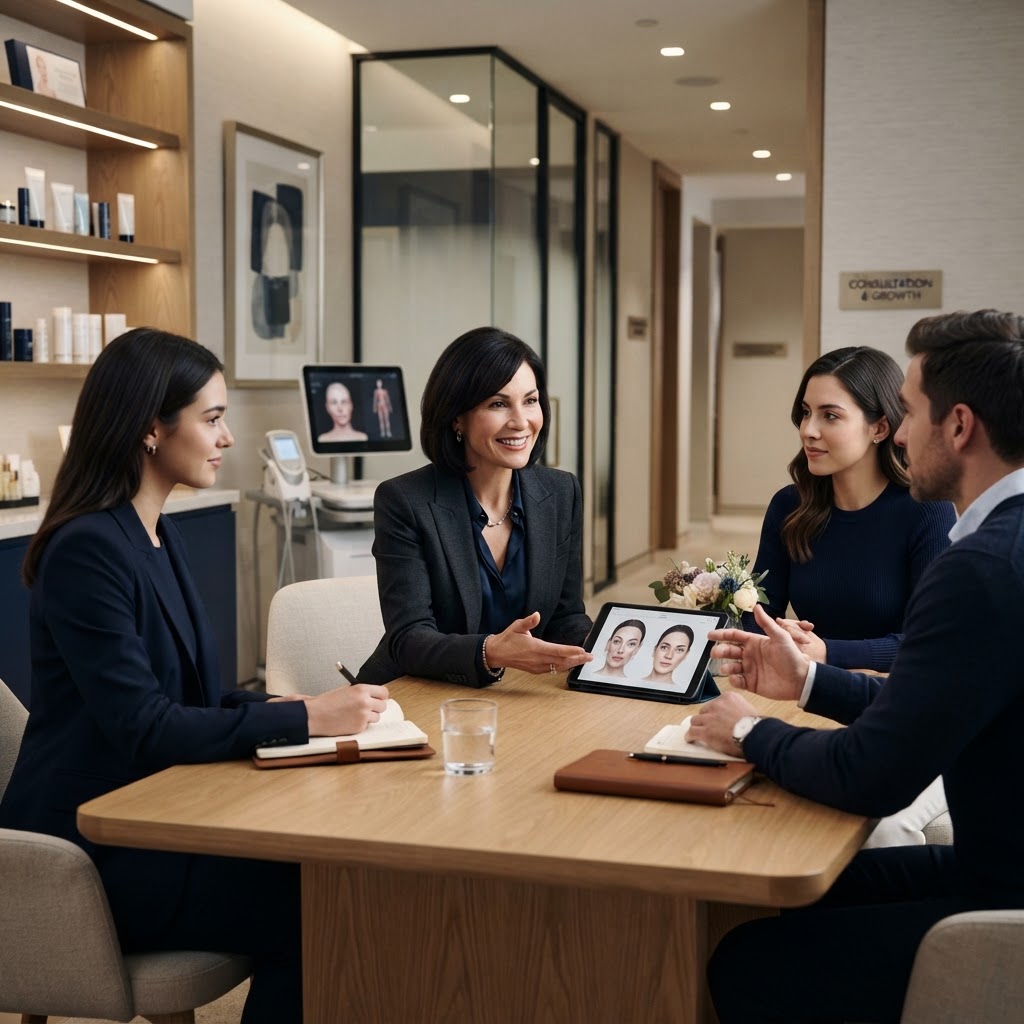
Aesthetic Sales Tips for New Patient Coordinators
New patient coordinators shape the first impression, trust, and conversion process in aesthetic practices. These patient coordinator tips help new team members communicate clearly, follow up ethically, and support a better patient journey.

New patient coordinators often become the voice, pace, and tone of the patient experience before a consultation ever begins. In aesthetic practices and medspas, that first interaction can influence trust, show professionalism, and help patients feel informed rather than pressured. Strong patient coordinator tips are not just about scheduling, they are about communication, preparation, and ethical sales support.
For new coordinators, the goal is simple: create a polished experience that helps the right patients move confidently to the next step. When the front end of the journey is organized and thoughtful, the consultation team can work more effectively and the patient feels cared for from day one. If you are building your skills, the Aesthetic Sales Institute homepage and the latest training insights on the blog are excellent places to continue learning.
Why This Role Matters in Aesthetic Practices
A new patient coordinator is not only managing inbound calls, form fills, texts, and appointment logistics. This role supports revenue, retention, and reputation.
In aesthetic sales, many patients are exploring treatments for the first time. They may be excited, unsure, price-conscious, or comparing multiple providers. The coordinator helps bridge interest and action by making the process feel clear and welcoming.
When this role is handled well, several things improve:
- Response times become faster and more consistent
- Prospective patients feel acknowledged and understood
- Consultations are better qualified and better prepared
- Providers receive stronger context before the appointment
- Follow-up becomes more organized and less reactive
This matters because most practices do not lose opportunity only because of price. They often lose it because of delay, confusion, inconsistency, or a weak first impression.
Master the First Contact
The first contact sets the emotional tone for the entire patient journey. Whether it comes through phone, text, DM, or web form, the coordinator should aim to be prompt, professional, and calm.
Respond quickly, but with purpose
Speed matters, but so does quality. A rushed response that feels generic can miss the mark. Aim to acknowledge the inquiry promptly, then guide the conversation with a few clear next steps.
A helpful structure is:
- Thank the patient for reaching out
- Confirm what they are interested in
- Ask one or two relevant discovery questions
- Offer the most appropriate next step
For example:
- Thank you for reaching out to our practice. I would be happy to help. Are you mainly interested in skin rejuvenation, injectables, or body treatments?
- I can help you find the best starting point. Have you had this treatment before, or would this be your first consultation?
This approach feels polished and keeps the conversation moving without sounding scripted.
Listen for goals, not just services
New coordinators often focus only on the requested treatment. Strong coordinators listen for the motivation behind the inquiry.
A patient asking about lip filler may really be seeking facial balance. A patient asking for laser may be concerned about pigment, confidence, or event timing. Understanding the goal allows the coordinator to position the consultation appropriately and prepare the team better.
Lead With Education and Alignment
Aesthetic sales should be educational and ethical. The coordinator is not diagnosing or recommending medical care, but they can help a prospective patient understand the consultation process and what to expect.
Ask smart qualifying questions
Good qualifying questions help determine fit while keeping the interaction respectful. Focus on timing, familiarity, and expectations.
Useful questions include:
- What are you hoping to improve or maintain?
- Are you looking to schedule soon, or just gathering information right now?
- Have you had a consultation or treatment like this before?
- Is there a specific date or event you are planning around?
These questions help the practice prioritize leads, identify urgency, and understand where the patient is in the decision process.
Set expectations clearly
One of the most valuable patient coordinator tips is to reduce uncertainty before the appointment. Patients should understand:
- What the consultation includes
- How long the appointment may take
- Whether forms or photos are needed beforehand
- What general pricing or treatment range information can be shared, if your practice permits it
- What happens after the consultation
Clear expectations protect the patient experience and reduce no-shows, confusion, and disappointment.
Create a Seamless Hand Off to the Consultation Team
A coordinator succeeds when the provider or consultant feels fully prepared before the appointment starts.
Document details that matter
Notes should be concise, accurate, and useful. Avoid vague entries like interested in Botox. Instead, note the patient concern, previous treatment history if shared, timing, and any relevant emotional cues.
For example:
- First-time aesthetic patient, interested in forehead lines and prevention
- Wants natural result, nervous about looking overdone
- Has a wedding in four months
That kind of context helps the consultation team personalize the interaction and avoid making the patient repeat everything.
Confirm the appointment professionally
Confirmation should feel organized, not transactional. Include the date, time, location, prep instructions if applicable, and a simple invitation to ask questions.
A short message like this works well:
Your consultation is confirmed for Thursday at 3:00 PM. We look forward to meeting you. If you have any questions before your visit, feel free to reply here and our team will be happy to help.
Professional communication increases trust before the patient walks in.
Follow Up Without Pressure
Follow-up is where many opportunities are won or lost. In medspa environments, patients may need time to think, compare, or coordinate schedules. Ethical follow-up keeps the conversation active without creating pressure.
Use a structured follow-up rhythm
A simple follow-up system helps new coordinators stay consistent. For example:
- Day 1: thank-you or appointment recap
- Day 3: answer any open questions
- Day 7: check in and offer next steps
- Day 14: final gentle touchpoint before moving the lead to a longer-term nurture list
This rhythm keeps communication professional and prevents leads from being forgotten.
Focus on relevance, not repetition
Avoid messages that only say, just checking in. Instead, add value:
- Offer consultation availability
- Clarify process questions
- Share what the next step looks like
- Invite them to reconnect when timing is right
If you want to strengthen systems like these across your team, explore more resources through the Aesthetic Sales Institute and review additional front desk strategies on the blog.
Practical Examples for Common Scenarios
New coordinators often benefit from seeing how these principles sound in real conversations.
Scenario 1: The price-first inquiry
A prospective patient asks, How much is lip filler?
A strong response:
Thank you for reaching out. Pricing can vary based on the product used and the treatment plan created during consultation. If you would like, I can share our starting range and help schedule the best next step based on your goals.
Why it works: it answers without being evasive, while keeping the focus on fit and consultation.
Scenario 2: The hesitant first-time patient
A patient says they are curious but nervous.
A strong response:
That is completely understandable. Many first-time patients feel that way. Our consultation process is designed to be informative and comfortable, so you can ask questions and decide what feels right for you.
Why it works: it validates emotion and removes pressure.
Scenario 3: The patient who goes quiet
After an initial inquiry, there is no response.
A strong follow-up:
I wanted to follow up in case you still had questions about scheduling your consultation. If now is not the right time, no problem at all. I am happy to help whenever you are ready.
Why it works: it is respectful, leaves the door open, and protects the brand tone.
Common Mistakes New Coordinators Make
Even talented new hires can slow conversions if they are not properly trained. Watch for these common mistakes:
Talking too much, listening too little
Patients want to feel heard. If the coordinator jumps into rehearsed answers too quickly, important details are missed.
Giving unclear or inconsistent information
Mixed messaging about pricing, consultation expectations, or scheduling policies creates confusion and distrust.
Sounding transactional
Aesthetic patients are often making emotional and financial decisions. Warmth, polish, and confidence matter.
Failing to document key context
Poor notes force the patient to repeat themselves and make the practice appear disorganized.
Forgetting timely follow-up
Leads cool quickly. A delayed response may send a patient to a competitor with a more responsive process.
Action Steps for the Next 30 Days
For new patient coordinators, improvement happens fastest when skills are practiced consistently. Start with these action steps:
- Create a first-contact script framework, not a rigid script
- Build a list of approved qualifying questions for common treatment categories
- Standardize confirmation and follow-up message templates
- Audit your note-taking for clarity and usefulness
- Track response times for calls, forms, and texts
- Role-play common objections, especially pricing and hesitation
- Review missed opportunities weekly to identify patterns
These habits help coordinators become more confident, more organized, and more effective in supporting ethical conversions.
Build Your Skills With the Right Training
The best patient coordinator tips combine hospitality, communication, organization, and ethical sales awareness. In aesthetic practices, this role has a direct impact on patient trust and consultation readiness. When coordinators know how to guide first contact, qualify appropriately, hand off clearly, and follow up with professionalism, the entire patient journey becomes stronger.
If you want to sharpen your front desk and coordinator skills with premium, industry-specific training, join the Aesthetic Sales Institute prelaunch list. You will get early access to new programs and 20% off at launch. It is a smart next step for individuals and medspa teams who want a more polished, higher-performing patient experience.