How Aesthetic Coordinators Can Increase Confidence
Confidence is one of the most valuable skills an aesthetic coordinator can develop. With the right training, systems, and practice, coordinators can communicate more clearly, guide patients ethically, and support stronger medspa experiences.
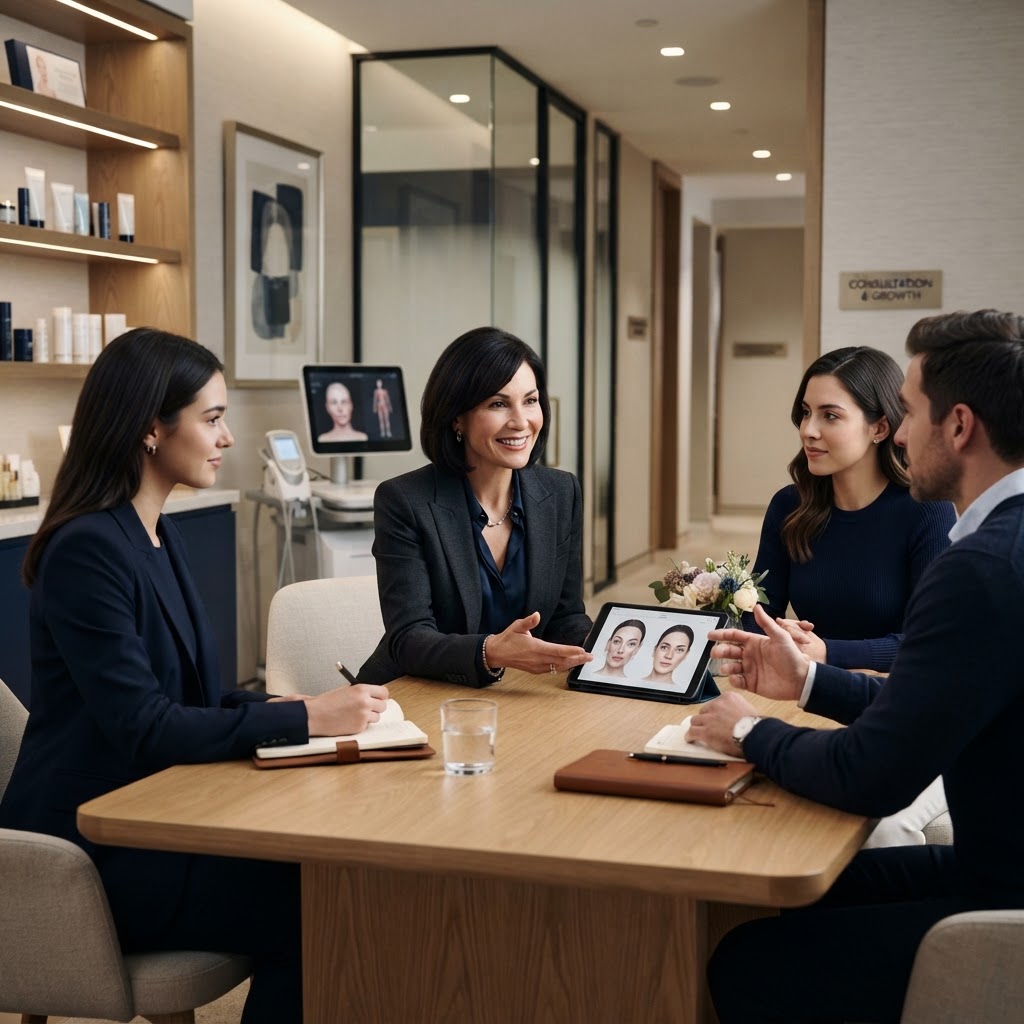
Confidence is not just a personality trait in aesthetics. It is a professional skill that shapes the patient experience from the first inquiry to the final treatment plan. For aesthetic coordinators, confidence affects how clearly they communicate, how well they handle objections, and how effectively they support trust without sounding scripted or pushy.
The good news is that confidence can be built. It does not come from memorizing a few talking points or trying to sound persuasive. It comes from preparation, repetition, ethical communication, and strong aesthetic coordinator training that supports both skill and judgment. When coordinators know what to say, why it matters, and how to respond in real conversations, they show up with greater calm, clarity, and professionalism.
Why Confidence Matters in the Medspa Setting
In a medspa or aesthetic practice, the coordinator often becomes the bridge between patient interest and patient action. They help create a sense of comfort, organize the consultation flow, reinforce the value of treatment plans, and support next steps in a way that feels polished and respectful.
When confidence is low, even capable team members may hesitate, overexplain, avoid pricing conversations, or miss opportunities to guide a patient properly. That can lead to inconsistent consultations, lower conversion, and a weaker overall experience.
When confidence is high, the opposite tends to happen. Coordinators ask better questions, listen more carefully, stay grounded during concerns, and communicate value more effectively. For practices investing in professional aesthetic sales education, confidence development is not optional. It is part of building a high-performing, patient-centered team.
Build Confidence Through a Clear Consultation Process
One of the fastest ways to reduce anxiety is to reduce uncertainty. Coordinators feel more confident when they are not improvising every step of the interaction.
Standardize the Patient Journey
A clear consultation structure gives coordinators a reliable path to follow. That structure might include:
- Greeting and rapport building
- Discovery questions about goals and concerns
- Education about treatment pathways
- Discussion of timing, pricing, and next steps
- Follow-up and documentation
A defined process does not make the experience robotic. It makes it repeatable. With repetition, coordinators begin to relax into the conversation because they know what comes next.
Use Conversation Frameworks, Not Scripts
Scripts can help new team members get started, but overreliance on scripts often weakens confidence. If the patient asks something unexpected, the coordinator can lose momentum.
Frameworks work better. For example, a coordinator can learn to guide conversations using a simple sequence: ask, clarify, educate, confirm, and invite. This approach gives enough structure to stay on track while allowing the conversation to remain natural.
Strong aesthetic coordinator training should teach adaptable communication frameworks rather than word-for-word lines alone.
Strengthen Knowledge Without Crossing Clinical Boundaries
Confidence rises when coordinators understand the practice's services well enough to speak about them clearly, while also knowing exactly where the provider's role begins.
Translate Treatments Into Patient-Friendly Language
Patients rarely make decisions based on technical language alone. They respond to clarity, relevance, and trust. A confident coordinator can explain a treatment in terms of goals, experience, and next steps, without sounding vague or overly clinical.
For example, instead of listing device features, a coordinator might say, "This option is often chosen by patients who want a more gradual improvement in skin texture with a plan that fits a series approach." That kind of explanation is approachable and professional.
Know the Limits of the Role
Confidence is not pretending to know everything. In fact, one sign of a strong coordinator is knowing when to defer to the provider. If a patient asks for medical advice, candidacy decisions, or detailed clinical guidance, the coordinator should transition appropriately.
That protects the patient, the practice, and the coordinator's credibility. Ethical confidence always includes role clarity.
Improve Communication Under Pressure
Many coordinators feel confident when conversations are easy, but less confident when emotions, objections, or pricing concerns enter the discussion. This is where communication training matters most.
Listen Before You Respond
A patient who says, "I need to think about it," may be expressing concern about timing, budget, trust, or uncertainty. A coordinator who responds too quickly may miss the real issue.
Instead, confident communication sounds like this:
- "Of course. What would be most helpful to think through today?"
- "Is it the timing, the plan itself, or the investment that you would like to review?"
- "What questions can I help clarify before you decide?"
These responses are calm, respectful, and useful. They open the door to a better conversation instead of creating pressure.
Discuss Price With Value and Professionalism
Price hesitation is common in aesthetics. Coordinators who lack confidence may apologize for pricing, rush through the conversation, or immediately discount. That can reduce perceived value.
A more effective approach is to connect the investment to the treatment plan, expected process, and patient goals. Coordinators can also explain packages, membership options, or financing policies if the practice offers them, while staying transparent and ethical.
Teams that regularly review consultation skills through aesthetic practice training resources often become more consistent in these high-stakes conversations.
Practice in Realistic Scenarios
Confidence grows through experience, but experience becomes much more valuable when it is structured.
Use Role Play That Reflects Actual Patient Conversations
Role play should not feel theatrical. It should reflect common situations that coordinators face every week, such as:
- A patient comparing treatments online
- A first-time patient who feels nervous
- A patient focused only on price
- A returning patient unsure about the next step
- A patient who wants immediate results without understanding the process
Practicing these moments helps coordinators learn how to stay steady, curious, and helpful.
Review Wins, Not Just Problems
Some teams only coach when something goes wrong. That approach can make people more self-conscious. Confidence improves faster when leaders also review what went well.
For example, if a coordinator handled a difficult consultation calmly, asked strong discovery questions, or explained next steps clearly, that should be recognized. Positive reinforcement helps repeat good habits.
A culture of ongoing feedback is one of the most effective forms of aesthetic coordinator training because it turns daily work into skill development.
Practical Examples of Confidence in Action
Confidence often shows up in small moments.
A new patient calls and says they are interested in treatment but are not sure where to begin. A less confident coordinator may simply book an appointment. A more confident coordinator might say, "I would be happy to help you get started. Can I ask what you are hoping to improve so we can guide you to the most appropriate next step?"
A patient in consultation says they need to talk to their spouse before moving forward. A less confident response might end the conversation too quickly. A more confident response could be, "That makes sense. Before you go, would it be helpful if I summarized the plan, pricing, and timeline so you feel prepared when you discuss it at home?"
A patient seems interested but hesitant about cost. Instead of jumping into discount language, a confident coordinator can revisit priorities, review the recommended plan, and explain available options clearly. That protects trust and keeps the conversation centered on the patient's goals.
Common Mistakes That Reduce Coordinator Confidence
Even talented coordinators can lose confidence when habits are not guided properly. Common mistakes include:
- Talking too much instead of asking thoughtful questions
- Relying on memorized scripts without understanding the purpose behind them
- Using clinical language that confuses patients
- Avoiding pricing conversations until the very end
- Answering outside the limits of the coordinator role
- Interpreting objections as rejection rather than requests for clarity
- Working without ongoing coaching or review
These issues are fixable. In most cases, the solution is not more pressure. It is better systems, better practice, and better training.
Action Steps to Build Confidence Consistently
For individual coordinators and practice leaders, a few focused actions can create meaningful improvement:
- Audit the current consultation flow and identify where uncertainty appears most often.
- Create clear frameworks for discovery, education, and next-step conversations.
- Schedule weekly role play around real objections and common patient questions.
- Train coordinators on treatment knowledge in patient-friendly language.
- Reinforce role boundaries so communication stays ethical and professional.
- Track progress through coaching, call review, and consultation outcomes.
- Continue learning through trusted industry education, including insights from the Aesthetic Sales Institute blog.
Confidence is not built in a single workshop. It is built through consistent practice, supportive leadership, and a commitment to professional growth.
Take the Next Step
If you want to develop a more confident, effective front desk and coordinator team, the right training can make a measurable difference. The Aesthetic Sales Institute is built to support medspa professionals with practical, ethical education designed for real patient conversations.
Join the Aesthetic Sales Institute prelaunch list to be the first to hear when enrollment opens, and get 20% off at launch. Visit the Aesthetic Sales Institute homepage to learn more and stay connected.