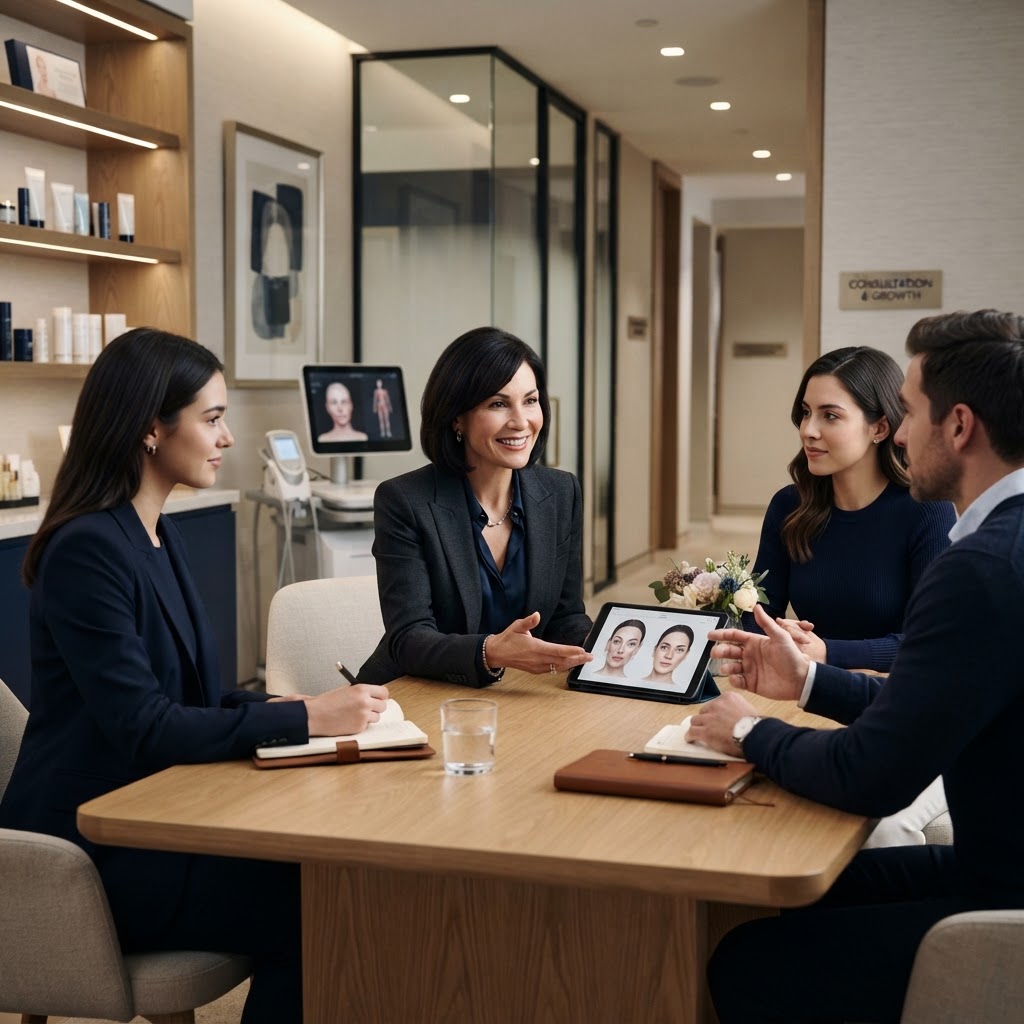
Medspa Sales Training for Patient Coordinators
Patient coordinators play a central role in the medspa patient journey. The right medspa sales training helps them communicate clearly, build trust, and support ethical practice growth.

Patient coordinators often shape the patient experience before a provider ever enters the conversation. From the first phone call to consultation follow-up, they influence trust, clarity, and momentum. That is why medspa sales training is not just a revenue initiative, it is a patient experience initiative. In aesthetic practices, coordinators need more than basic customer service skills. They need structured communication training that helps them guide conversations ethically, confidently, and professionally.
For medspas that want a stronger foundation, investing in coordinator development can improve consistency across every touchpoint. Resources from the Aesthetic Sales Institute and ongoing education through the latest industry insights can help teams build a more refined sales process without sacrificing trust.
Why This Topic Matters
In many medspas, patient coordinators are responsible for answering inquiries, setting expectations, handling objections, explaining next steps, and supporting treatment plan acceptance. Even when providers deliver excellent clinical care, a weak front-end communication process can create friction that limits growth.
Aesthetic patients are often making high consideration decisions. They want to feel understood, informed, and respected. If a coordinator sounds rushed, transactional, or uncertain, confidence can drop quickly. On the other hand, when a coordinator is trained to ask the right questions, communicate value clearly, and follow up appropriately, the entire patient journey becomes more cohesive.
This is where medspa sales training becomes especially valuable. It helps coordinators move beyond scripts and into purposeful communication. The result is not pressure. It is better alignment between patient goals, provider recommendations, and practice systems.
The Coordinator's Role in the Aesthetic Patient Journey
First impressions shape perceived quality
Luxury service begins before treatment. The first call, text, or front desk interaction often sets the tone for the entire relationship. Patients notice whether a team sounds polished, attentive, and organized.
A trained coordinator knows how to create a calm and professional first impression by:
- Greeting patients warmly and confidently
- Asking discovery questions without sounding intrusive
- Clarifying next steps in simple language
- Setting expectations around consultations, pricing conversations, and follow-up
In a premium medspa environment, these details matter. The way a patient feels during the first few minutes of contact can influence whether they book, show up, and remain engaged.
Coordinators connect interest to action
Interest alone does not create appointments or treatment acceptance. Coordinators help bridge the gap between curiosity and commitment. They translate inquiries into scheduled consultations, and consultations into clear next steps.
This role requires communication that is both empathetic and structured. Patients may be excited, nervous, price conscious, or unsure where to begin. Without training, coordinators may either over talk or under guide. With training, they can keep the conversation focused on goals, readiness, and fit.
Core Skills Included in Effective Medspa Sales Training
Discovery and active listening
Strong coordinators do not begin by pitching services. They begin by understanding the patient. Effective discovery builds trust and gives the provider better context for the consultation.
Useful discovery questions may include:
- What brings you in right now?
- Have you had aesthetic treatments before?
- What outcome are you hoping to achieve?
- Are you exploring one concern, or building a broader plan?
These questions help coordinators uncover motivation, timeline, and expectations. They also reduce the risk of recommending the wrong starting point. In premium aesthetic sales, listening is often more important than talking.
Treatment plan communication and financial confidence
Patient coordinators are often asked to reinforce treatment plans after the consultation. This does not mean replacing the provider. It means helping the patient understand what was recommended, why it matters, and how to move forward.
A quality medspa sales training program should teach coordinators how to:
- Restate provider recommendations clearly and accurately
- Explain package structure or treatment sequencing in patient-friendly language
- Discuss pricing and financing options professionally
- Handle hesitation without becoming defensive or overly persuasive
Financial conversations are especially important. Many coordinators feel uncomfortable discussing investment, which can lead to vague language or abrupt delivery. Training helps them approach these conversations with confidence, transparency, and respect.
Follow-up that feels personal, not pushy
Follow-up is one of the most underdeveloped skills in many medspas. A patient may leave interested but undecided. Without a thoughtful follow-up process, that opportunity often fades.
Effective follow-up training helps coordinators:
- Reference the patient’s original goals
- Reconnect at appropriate intervals
- Use email, text, or phone with intention
- Invite questions instead of forcing decisions
This is especially relevant for high value treatment plans, seasonal promotions, and patients who need more time to consider timing or budget.
Building an Ethical Sales Process in a Medspa
Recommendations should align with patient goals
Ethical sales in aesthetics is not about pushing more services. It is about helping the right patient move forward with clarity. Coordinators should be trained to support provider recommendations, not inflate them.
That means avoiding:
- Overstating outcomes n- Using urgency that creates pressure
- Recommending services beyond the provider’s plan
- Treating every objection as a problem to overcome
Instead, coordinators should focus on education, transparency, and fit. When patients feel guided rather than sold, trust becomes easier to maintain.
Trust is built through consistency
Patients should receive a consistent message from the first inquiry through post consultation follow-up. If the website promises a luxury experience, the front desk should sound organized. If the provider emphasizes personalized care, the coordinator should not default to generic scripts.
Training brings consistency to these touchpoints. It also supports compliance with internal standards and helps teams communicate with greater professionalism. Practices that want long term growth should treat sales communication as a skill set, not a personality trait.
Practical Examples from Daily Coordinator Workflows
Example 1: Turning a phone inquiry into a consultation
A caller asks about Botox pricing. An untrained coordinator may answer with a number and end the call. A trained coordinator might say:
"Pricing can vary based on your goals and the treatment area. I would love to learn what you are looking to improve, then we can help you schedule the right consultation and explain the next steps."
This response is helpful, not evasive. It answers the question professionally while guiding the patient toward a more meaningful conversation.
Example 2: Supporting treatment plan acceptance
After a consultation, a patient says they want to think about it. Rather than pushing, a trained coordinator could respond:
"Of course. This is a personal decision. Would it be helpful if I reviewed the treatment plan and answered any questions about timing, pricing, or what to expect next?"
This creates space while keeping the conversation open.
Example 3: Re engaging a warm lead
A patient who inquired two months ago never booked. A thoughtful follow-up message might say:
"I wanted to check in and see if your goals for skin rejuvenation are still on your mind. If you would like, I can help you find a consultation time that fits your schedule and answer any general questions about the process."
This approach is respectful and relevant. It does not rely on pressure.
Common Mistakes That Limit Coordinator Performance
Even talented coordinators can struggle without structure. Common mistakes include:
- Talking too much before understanding the patient’s goals
- Quoting prices without context or next steps
- Using inconsistent language across team members
- Avoiding financial conversations because of discomfort
- Failing to follow up, or following up too aggressively
- Sounding transactional instead of consultative
These issues are rarely solved by asking coordinators to simply "be better at sales." They improve when practices provide clear frameworks, coaching, and accountability.
Action Steps for Medspa Leaders and Coordinators
If you want stronger coordinator performance, start with a simple process review.
For medspa leaders
- Audit your inquiry to booking process.
- Listen to calls and review front desk messaging.
- Standardize key communication points for consultations, pricing, and follow-up.
- Invest in role specific education, not generic sales advice.
- Reinforce ethical expectations alongside conversion goals.
For patient coordinators
- Practice discovery questions until they feel natural.
- Learn how your providers explain treatment plans and mirror that language.
- Build confidence around pricing discussions through scripts and rehearsal.
- Track follow-up consistently.
- Review resources from the Aesthetic Sales Institute and continue learning through the education blog.
Medspa sales training works best when it becomes part of the culture. It should support team development, patient communication, and operational excellence all at once.
Elevate Coordinator Performance With the Right Training
Patient coordinators are not just schedulers. In many medspas, they are the communication hub of the business. When they are trained well, the patient experience becomes more polished, providers are better supported, and treatment conversations become more aligned.
If your practice wants a more consistent and ethical approach to coordinator performance, now is the time to build that foundation. Join the Aesthetic Sales Institute prelaunch list to be the first to hear about new training opportunities and get 20% off at launch.